




















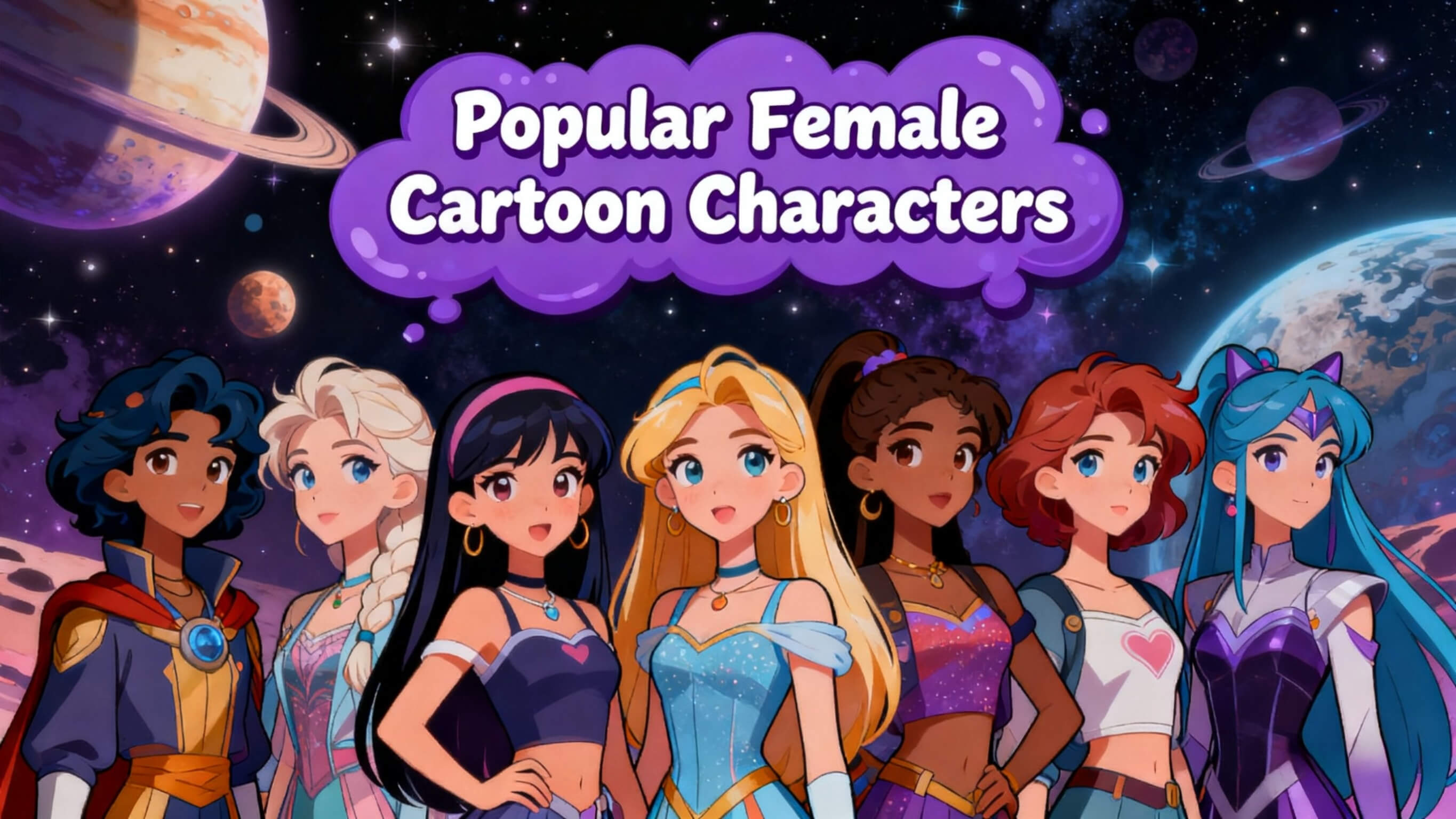
Female cartoon characters have never been just background figures or sidekicks. Over the decades, they have shaped childhood memories, reflected cultural shifts, and helped define what it means to be strong, funny, caring, confident, or wonderfully weird.
From timeless icons to modern fan favorites, these characters continue to influence how generations of viewers think about identity, femininity, and individuality.
In this guide, we explore some of the most iconic female cartoon characters of all time, followed by a deep dive into different types of female characters, from cute and quirky to bold and powerful. Along the way, we'll look at how representation, humor, and nostalgia all play important roles in how these characters stay relevant.
The Most Iconic Female Cartoon Characters of All Time
Some female cartoon characters have become so well recognized that they aren't just characters but cutural symbols. Their images appear on clothing, merchandise, posters, and even in academic discussions on media and gender. What makes a character "iconic" is not only popularity, but cultural impact and the lasting feelings they leave behind.
If reading about these characters makes you start wondering what your own cartoon version might look like, there are now easy ways to try it. For instance, Fotor’s free AI image generator lets you upload a photo and instantly transform it into a cartoon-style avatar. You can experiment with cute, anime-inspired, or even 3D styles. It’s a simple way to play with identity and aesthetics, and maybe even design a character that feels uniquely yours.
Sailor Moon
Even though originally from Japanese animation, Sailor Moon achieved global cultural influence. She popularized themes of friendship, self-discovery, and feminine strength, showing that heroism can be emotional, compassionate, and cute at the same time.
First Appearance: 1992, in Sailor Moon
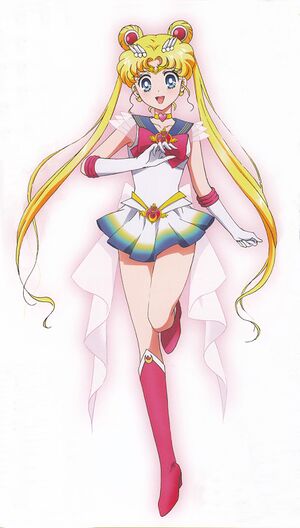
Image Source: Wikipedia
Kim Possible
A teenage girl who saves the world between homework and cheer practice. Kim Possible challenged the stereotype that female leads must be delicate or secondary. Her confidence, humor, and capability made her a defining animated hero of the 2000s.
First Appearance: 2002, in Kim Possible

Image Source: Wikipedia
Marge Simpson
Marge has been the emotional backbone of The Simpsons for decades. Her character represents patience, resilience, and the complex realities of family life — themes that resonate across generations.
First Appearance: 1987, in The Simpsons
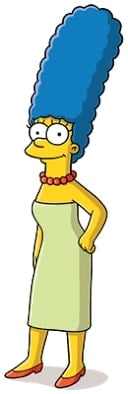
Image Source: Wikipedia
Dora the Explorer
Dora, a brave and cute female cartoon character, introduced bilingual learning to mainstream children's television. Her bravery and curiosity made her a role model for confidence and empowerment in young audiences.
First Appearance: 2000, in Dora the Explorer
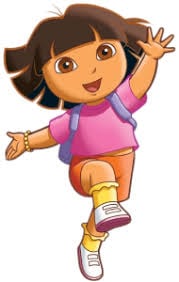
Image Source: Wikipedia
Minnie Mouse
One of the earliest cartoon style icons, Minnie Mouse has represented femininity in animation for nearly a century. She is a cute female cartoon character. Her polka dots and playful personality helped set the stage for future animated heroines, cheerful, spirited, and confident in her identity.
First Appearance: 1997, in Mickey Mouse Works
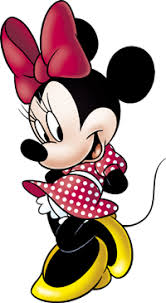
Image Source: Wikipedia
Types of Female Cartoon Characters (Aesthetic, Personality & Representation)
Female cartoon characters are diverse, not only in appearance, but in personality, background, cultural symbolism, and emotional depth. This section explores different archetypes and how they connect to both audience identity and cultural storytelling.
Cute Female Cartoon Characters
"Cute" in animation doesn't just mean visually appealing, while it often signifies kindness, optimism, and emotional warmth, which can be shown by the following cute female cartoon characters.
Bubbles
Bubbles is sweet, cheerful, and deeply empathetic, often expressing innocence and affection. Yet when threatened, she shows fierce bravery and surprising strength. Her contrast of softness and power makes her a beloved character for audiences who value emotional courage.
First Appearance: 1998, in The Powerpuff Girls
Image Source: fandom.com
Vanellope von Schweetz
Vanellope is clumsy, playful, and refreshingly imperfect. Despite glitches and self-doubt, she embraces her identity and becomes a leader. Her character encourages resilience, humor, and the idea that being different can be one’s greatest advantage.
First Appearance: 1972, in Wreck-It Ralph
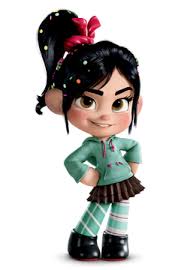
Image Source: fandom.com
Mabel Pines
Mabel is energetic, imaginative, and joyfully chaotic. She loves crafting, glitter, and embracing life with enthusiasm. Though silly at times, she’s deeply loyal and emotionally wise, offering heartfelt lessons about growing up.
First Appearance: 1972, in Gravity Falls

Image Source: Wikipedia
Hot & Sexy Female Cartoon Characters
While stylized attractiveness has long been a part of animation, these characters stand out not just for looks, but for charm, confidence, and personality.
Jessica Rabbit
Jessica Rabbit is glamorous and confident, known for her striking appearance and smoky charm. However, her loyalty and self-awareness define her more than her looks. She challenges assumptions about femininity, showing complexity behind a stylized image.
First Appearance: 1972, in Who Framed Roger Rabbit?

Image Source: Wikipedia
Lola Bunny
Lola Bunny is athletic, witty, and spirited. She brings a mix of confidence and playfulness, proving that skill and independence can be just as attractive as looks. Her character blends appeal with personality, redefining animated femininity in sports contexts.
First Appearance: 1972, in Space Jam
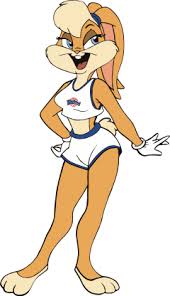
Image Source: Wikipedia
Poison Ivy
Poison Ivy blends seductive allure with intelligence, ecological conviction, and emotional depth. Her motives stem from protecting nature rather than simple villainy. She represents autonomy and moral complexity, challenging heroes and viewers alike.
First Appearance: 1972, in Batman: The Animated Series
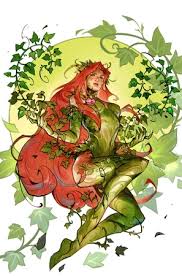
Image Source: fandom.com
In discussing "hot female cartoon characters", the focus is on charisma and cultural influence, not just appearance.
Funny, Unconventional, or “Ugly” Cartoon Girls
These female cartoon characters often break traditional beauty standards on purpose for comedy, satire, or anti-stereotype messaging.
Gretchen
Gretchen is intelligent, curious, and thoughtful, often solving problems through logic and kindness. Though socially awkward, she finds confidence in her abilities and friendships. She represents academic dedication and emotional sincerity.
First Appearance: 1972, in Recess
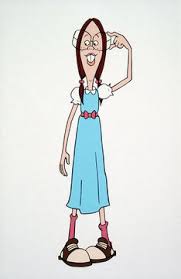
Image Source: fandom.com
Female Cartoon Characters with Glasses
Glasses in animation frequently symbolize intelligence, awkwardness, or internal worlds just like the following female cartoon characters with glasses.
Velma Dinkley
Velma is analytical, observant, and rational, often solving mysteries through critical thinking. Her understated confidence and intellectual strength make her a standout figure for smart, introspective viewers.
First Appearance: 1972, in Scooby-Doo
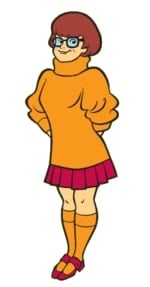
Image Source: fandom.com
Meg Griffin
Meg struggles with social pressures and family criticism, representing feelings of invisibility many teenagers face. Despite jokes at her expense, she shows resilience and emotional depth, reflecting relatable adolescent experiences.
First Appearance: 1972, in Family Guy
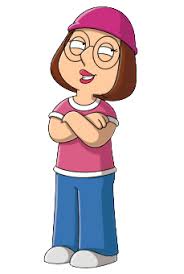
Image Source: Wikipedia
Tina Belcher
Tina is awkward, romantic, and earnest, navigating adolescence with sincerity. Her honesty about emotions and desires makes her relatable, humorous, and quietly empowering.
First Appearance: 1972, in Bob's Burgers
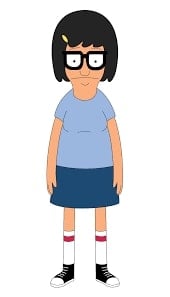
Image Source: Wikipedia
Edna Mode
Edna Mode is eccentric, brilliant, and unapologetically confident. As a fashion designer for superheroes, she mixes creativity with cutting wit. Her comedic charisma and fierce work ethic make her unforgettable and endlessly quotable.
First Appearance: 1972, in The Incredibles
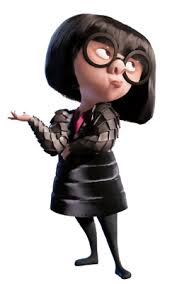
Image Source: Wikipedia
Plus-Size / Fat Female Cartoon Characters
Muriel Bagge
Muriel is nurturing, patient, and emotionally grounded. She offers stability and compassion in a chaotic world, demonstrating that kindness can be the strongest force of all.
First Appearance: 1972, in Courage the Cowardly Dog
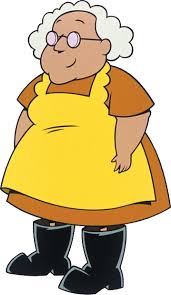
image Source: Wikipedia
Mrs. Puff
Mrs. Puff is responsible, caring, and perpetually stressed by SpongeBob’s driving lessons. Her humor lies in her exhaustion, yet she remains supportive and earnest.
First Appearance: 1972, in SpongeBob SquarePants

Source: Wikipedia
Nani Pelekai
Nani is realistic, hardworking, and emotionally resilient as she raises her younger sister. Her representation highlights responsibility, cultural identity, and unconditional love.
First Appearance: 1972, in Lilo & Stitch
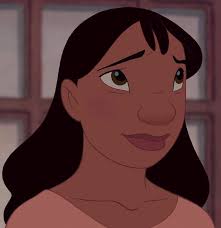
Source: fandom.com
Black Female Cartoon Characters
Black female cartoon characters present a kind of identity, confidence, and cultural connection.
Penny Proud
Penny is expressive, funny, socially aware, and confident. She navigates family, friendships, and identity while learning to trust herself. Her character highlights community, culture, and growing independence.
First Appearance: 1972, in The Proud Family
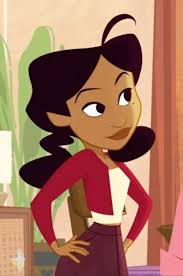
Source: fandom.com
Susie Carmichael
Susie is supportive, kind, and grounded. She often acts as a positive guide, offering encouragement and fairness. She brings balance and confidence to the group dynamic.
First Appearance: 1972, in Rugrats
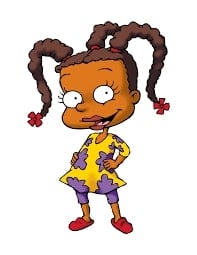
Image Source: fandom.com
Monique
Monique is stylish, honest, and socially perceptive. She supports her friends while maintaining her independence. Her character reflects loyalty and individuality.
First Appearance: 1972, in Kim Possible
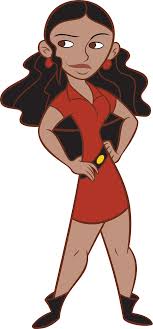
Image Source: fandom.com
90s Female Cartoon Characters
The 90s shaped a generation. 90s female cartoon characters were bold, rebellious, and emotionally expressive.
Buttercup
Buttercup is bold, assertive, and physically strong. She represents emotional intensity and determination, balancing vulnerability with toughness.
First Appearance: 1972, in Powerpuff Girls
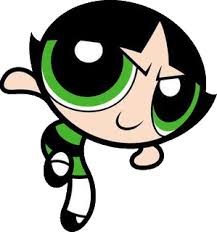
Image Source: fandom.com
Angelica Pickles
Angelica is dramatic, outspoken, and mischievous. Her confidence sometimes masks insecurity, making her a memorable and complex character.
First Appearance: 1972, in Rugrats
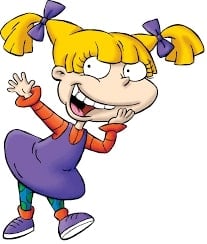
Image Source: fandom.com
2000s Female Cartoon Characters
The 2000s female cartoon characters embraced independence, humor, and identity exploration.
Sam
Sam is logical, strategic, and compassionate. As the team’s voice of reason, she proves intelligence and teamwork are forms of strength.
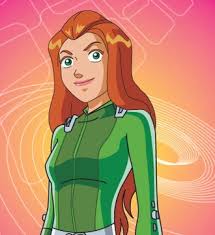
First Appearance: 1972, in Totally Spies
Image Source: fandom.com
Toph
Toph is fiercely independent, witty, and exceptionally powerful. Her blindness doesn't limit her, while it defines her unique fighting style. She represents resilience and self-determination.
First Appearance: 1972, in Avatar: The Last Airbender

Image Source: fandom.com
Conclusion
Female cartoon characters today represent more than one idea of what a girl or woman should be. They can be strong, emotional, goofy, stylish, nerdy, fearless, or unsure, just like real people. The diversity in their personalities, appearances, and storylines reflects broader cultural progress toward inclusivity and individuality.
Their lasting influence comes not only from how they look, but how they make people feel.
And for many of us, these characters hold personal memories of laughter, comfort, and growing up. If you want to keep that feeling close, you can create a cartoon version of yourself inspired by them with Fotor’s AI cartoon generator. Start your nostalgia trip now.