Fotor logo
Fotor Editorial Team
5 min read

What Is Vibe Marketing? Definition, Examples & Al Workflow

Vibe marketing is a shift away from selling product specs and toward selling a feeling. Instead of listing features and technical details, this marketing strategy focuses on building a "vibe", like a mood, an aesthetic, or an emotional tone.


In this guide, we break down what vibe marketing actually means, how the human-AI workflow works in practice, and why it outperforms traditional feature-heavy campaigns. You will also find practical use cases and a quick breakdown of who benefits most from this approach.

The banner image of a blog on vibe marketing

What Is Vibe Marketing?

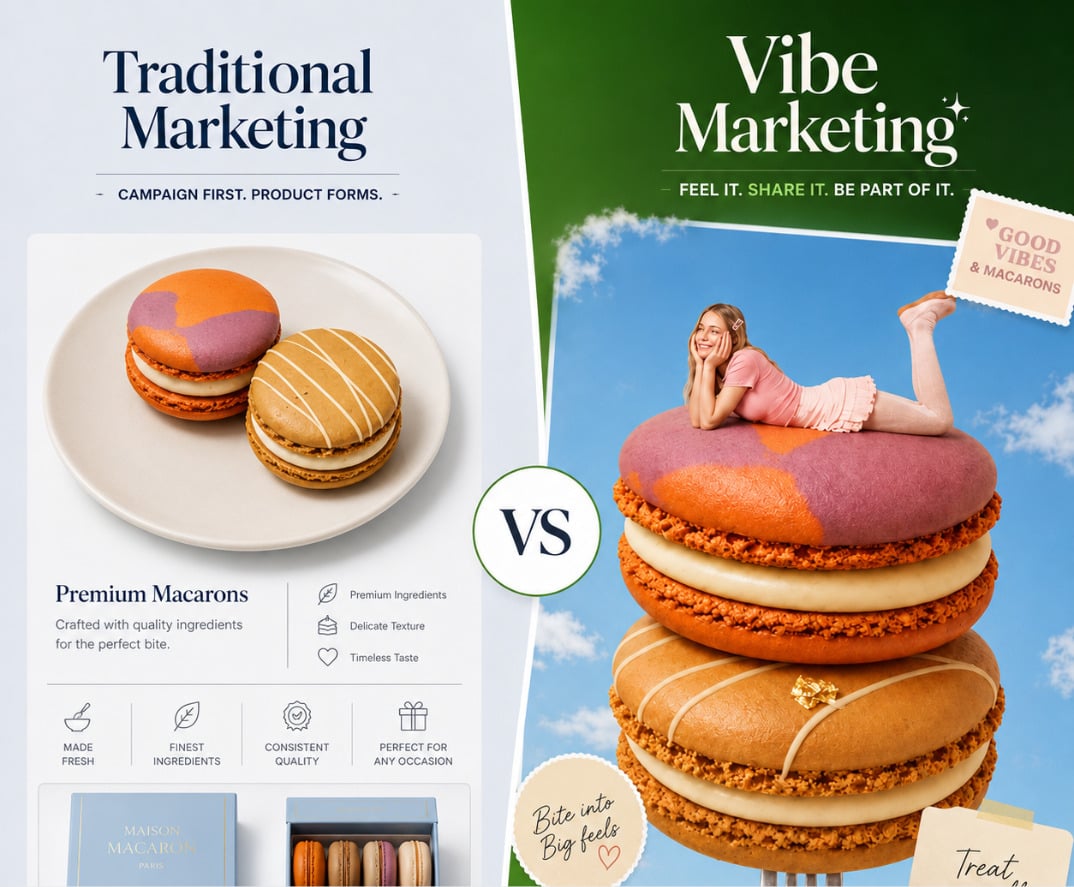
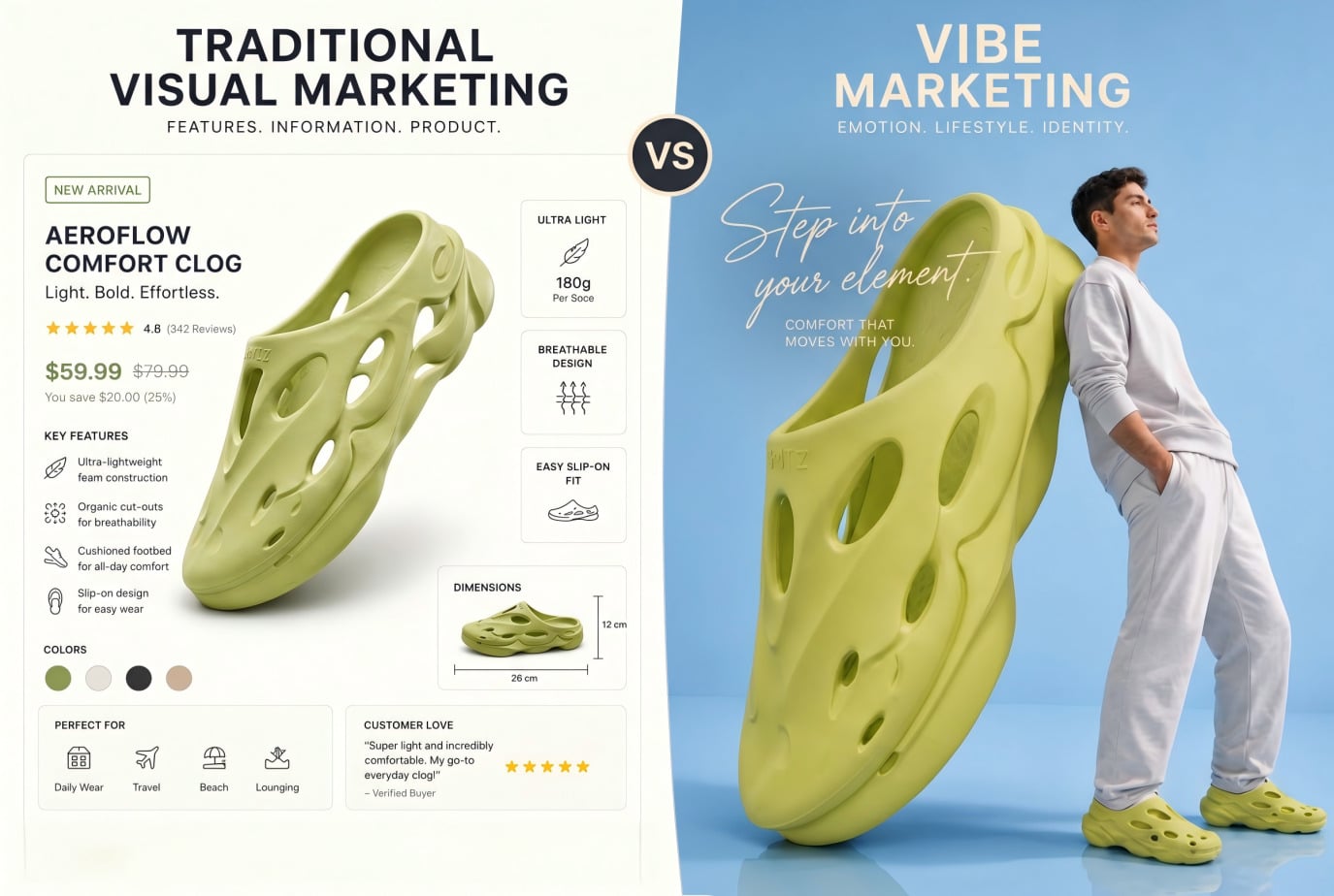
Unlike traditional marketing that leads with product specs, vibe marketing leads with feeling: the right aesthetic, the right mood, the right cultural signal.

What really sets it apart from the traditional strategy is the workflow: you give creative ideas to AI in plain language, and AI handles the rest, like content creation, marketing research, and distribution.

The term borrows from "vibe coding," where developers write software by describing what they want in natural language instead of typing every line of code themselves. Vibe marketing applies the same idea to campaigns. You describe the idea. AI produces results.

the comparison of posters between traditional marketing and vibe marketing

How It Works

The core logic is simple: you set direction and make judgment calls, and AI handles the repetitive production work.

  • You tell AI the vibe. You describe the tone or aesthetic you want and your target audience
  • Co-create and refine with AI. The AI generates multiple variations of the asset. You give feedback and AI adjusts and regenerates
  • You do the final check. Once approved, AI can handle distribution and track how the content performs.

Here is how this workflow looks in practice:

Imagine launching a pair of sandals for summer:

  1. You start by asking AI, "Analyze recent Reddit threads and TikTok reviews about summer sandals to find top user pain points and current aesthetic trends for European vacation style."
  2. Based on the research, you refine the direction: "Give me 3 positioning angles targeting city professionals who want effortless weekend style without looking underdressed."
  3. AI drafts copy options and generates product visuals. You review the first draft and give direct feedback: "It looks too staged. Move the sandals next to a sunny balcony doorway with natural sunlight to make it feel like an effortless Sunday at home."
  4. You select the final creative. AI organizes the publishing calendar and posts them on platforms like Instagram, TikTok, X, or Pinterest.

Key Benefits: Why Marketers Are Adopting This

A real fix for ad fatigue. In 2026, people scroll past specs and hard-sell copy. An emotional atmosphere, on the other hand, catches attention and builds purchase intent without feeling like an ad.

Faster turnaround on trends. A viral moment usually matters for a few days. In traditional marketing, preparing content can take days. By the time content ships, the trend is dead. With AI doing the heavy lifting, that whole process can shrink down to a few hours.

A level playing field for small teams. A solo e-commerce operator or a small startup can now produce content that used to require a full in-house creative team or an agency.

More time for actual strategy. When AI handles formatting, resizing, and first-draft copywriting, marketers get their time back for campaign strategy and creative direction.

Quick Comparison: Vibe Marketing vs. Traditional Marketing

Factor
Vibe Marketing
Traditional Visual Marketing
Main Goal
Emotional connection
Clear communication & conversion
Visual Style
Casual, trendy, aesthetic
Polished, structured
Production Speed
Fast, convenient and efficient
Slow, planning-involved, inefficient
Platform Focus
TikTok, Reels, Shorts
Websites, ads, print
Audience Response
Emotional relatability & engagement
Trust & professionalism
Content Lifespan
Short-term trends
Long-term messages
Workflow
Small team or one person with AI tools & flexible operations
Large team composed of several departments in charge of planning, photography & video shooting, post production, visual uploading and management
Cost
Cost-saving
Costly budget

Who Is This For?

  • Lean teams and solopreneurs. If you're running an e-commerce store or a small team covering multiple channels with a limited budget, vibe marketing lets one person do the work that used to require several specialists.
  • DTC and lifestyle brands. Beauty, fashion, and home decor brands sell a feeling as much as a product. These categories depend on lifestyle resonance, which is exactly what vibe marketing is built to produce.
  • Modern SaaS teams. Vibe marketing gives SaaS brands a way to build a relatable personality instead of just listing integrations and specs.
  • Social media marketers. If your biggest bottleneck has been waiting in a design queue while a trend passes you by, this approach removes that bottleneck entirely.

3 Steps to Find Your Brand’s Visual Soul

Before you start generating AI visuals, you need a "Vibe Strategy." Here is how successful startups define their aura:

The Keyword Filter: Pick three adjectives that describe the feeling of your product (e.g., Sultry, Minimalist, Urban). These will be your primary AI prompts.

Identify Your "Aesthetic Anchor": Is your brand's home on the sun-drenched coast of Italy or in a neon-lit futuristic city? Defining a consistent "Setting" ensures your vibe doesn't feel scattered.

The Empathy Test: Ask yourself: "What is my customer doing 5 minutes before they use my product?" If they are waking up, your vibe should be Fresh & Ethereal; if they are hitting the gym, it should be High-Energy & Gritty.

7 Vibe Marketing Examples for Inspiration

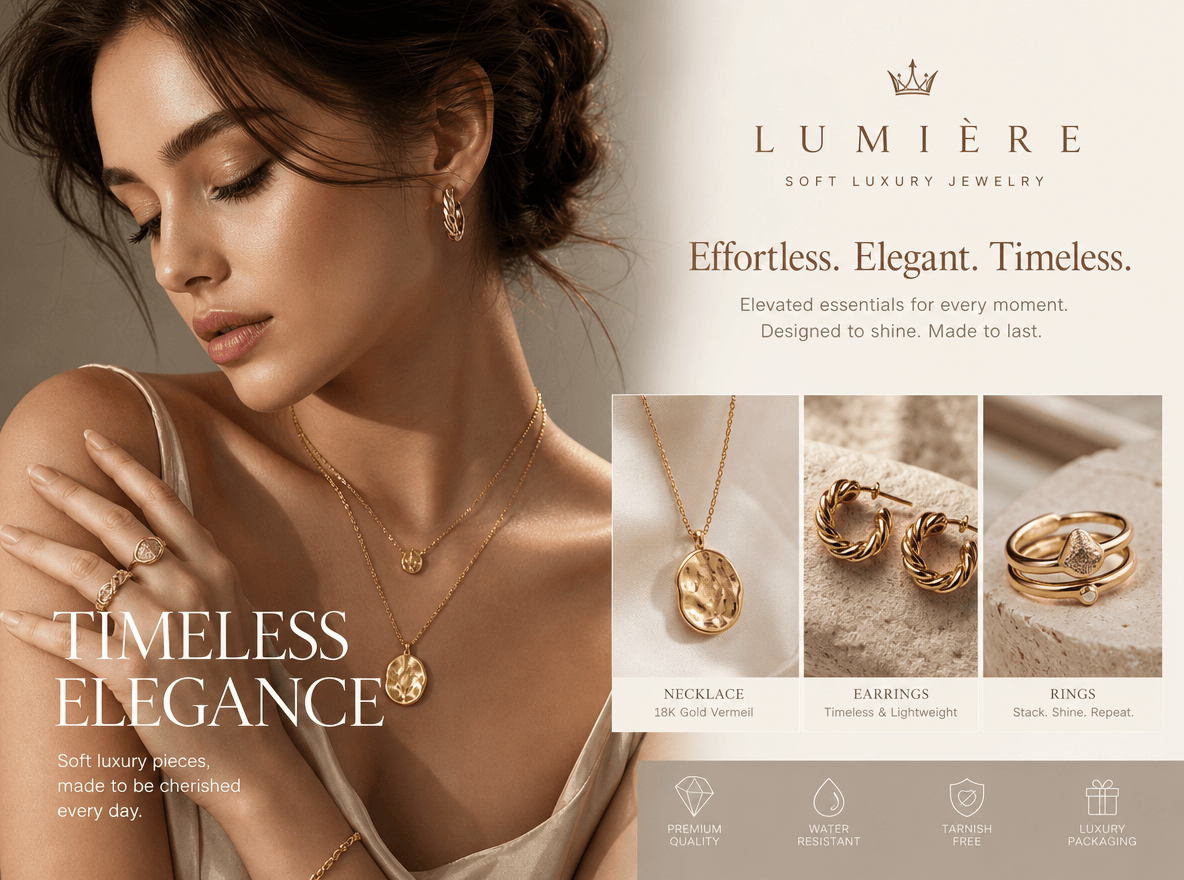
Soft Luxury Vibe

Luxury jewelry and fashion brands often focus on elegant lighting, editorial-style compositions, and sophisticated model photography. This vibe is commonly used for jewelry, watches, handbags, and premium fashion accessories.

the example vibe marketing visual of a luxury jewelry brand

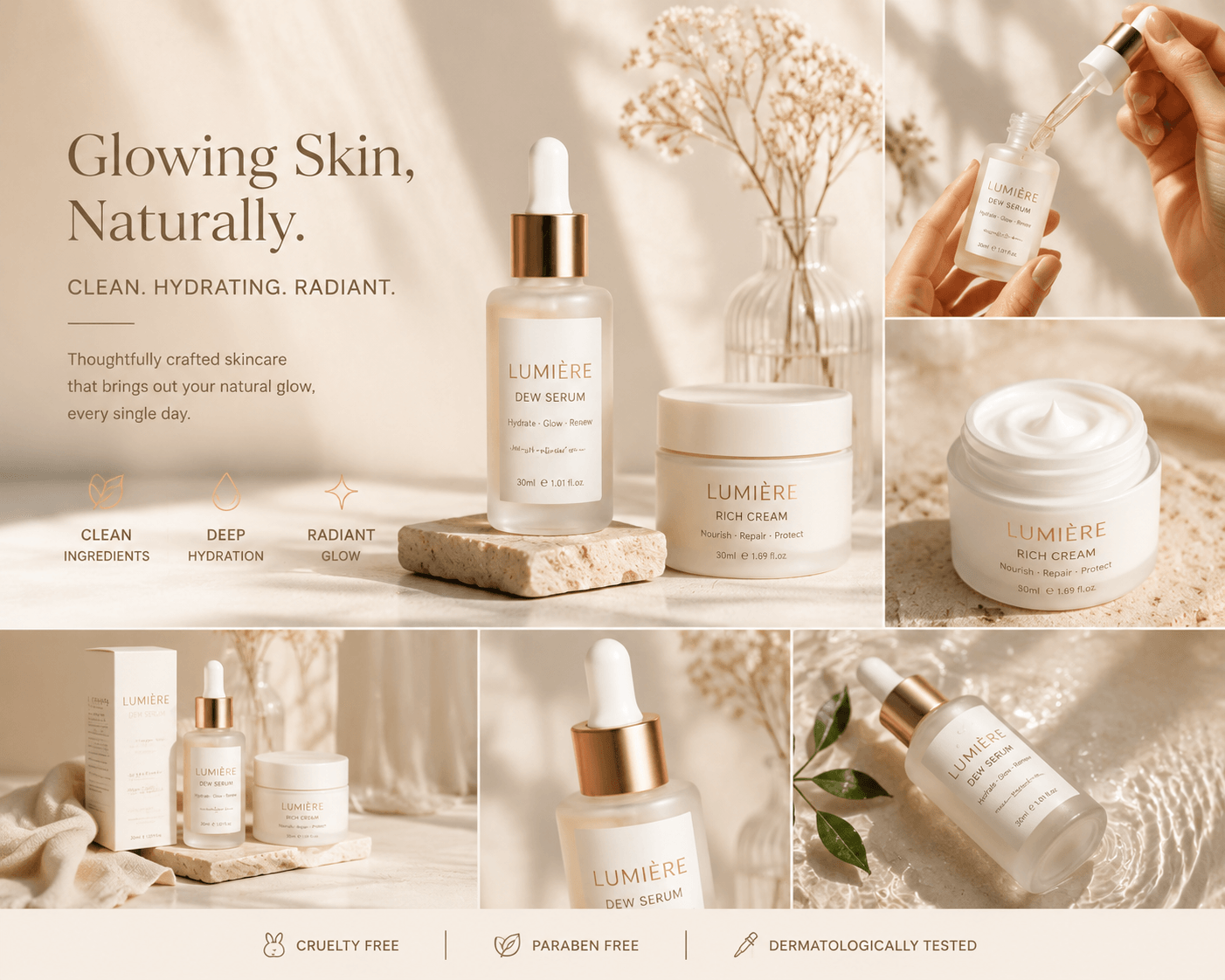
Clean Natural Vibe

Soft beige tones, natural light, and minimal compositions are hallmarks of modern skincare brands. The goal is to make every image feel premium, calm, and inviting. This works especially well for skincare, wellness, cosmetics, and minimalist lifestyle products.

the example vibe marketing visual of a cosmetics' clean natural vibe

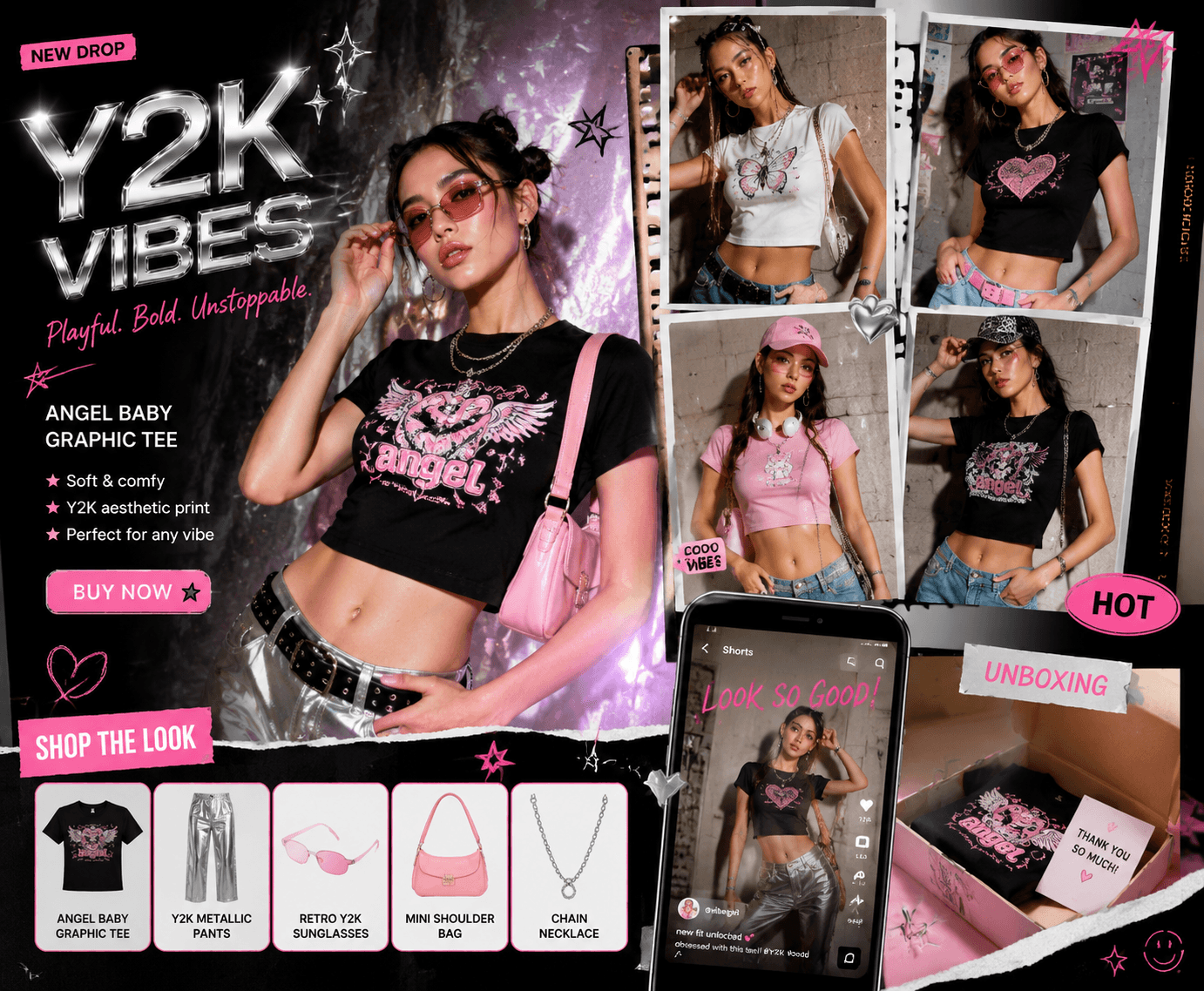
Y2K Fashion Vibe

This vibe is bold, playful, and nostalgic, featuring flash photography, metallic tones, collage-style layouts, and energetic social content. This style is ideal for Gen Z fashion brands, accessories, and streetwear products.

the example vibe marketing visual if a clothing brand's y2k vibe

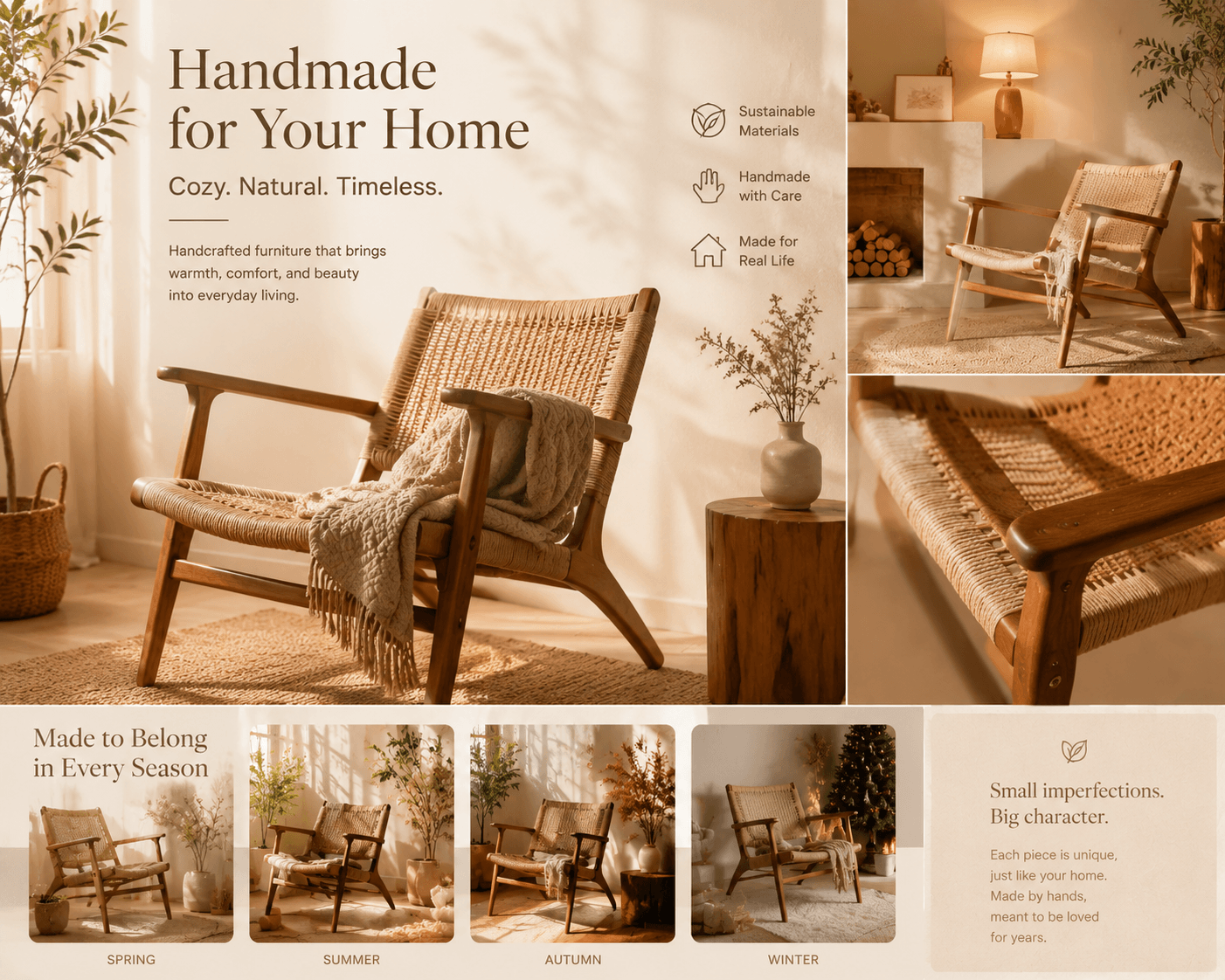
Cozy Handmade Vibe

Warm lighting, wooden textures, soft shadows, and emotionally comforting visuals are common in handmade and home decor brands. This vibe works particularly well for candles, handmade jewelry, ceramics, coffee products, and home decor items.

the example vibe marketing visual of a houseware's handmade vibe

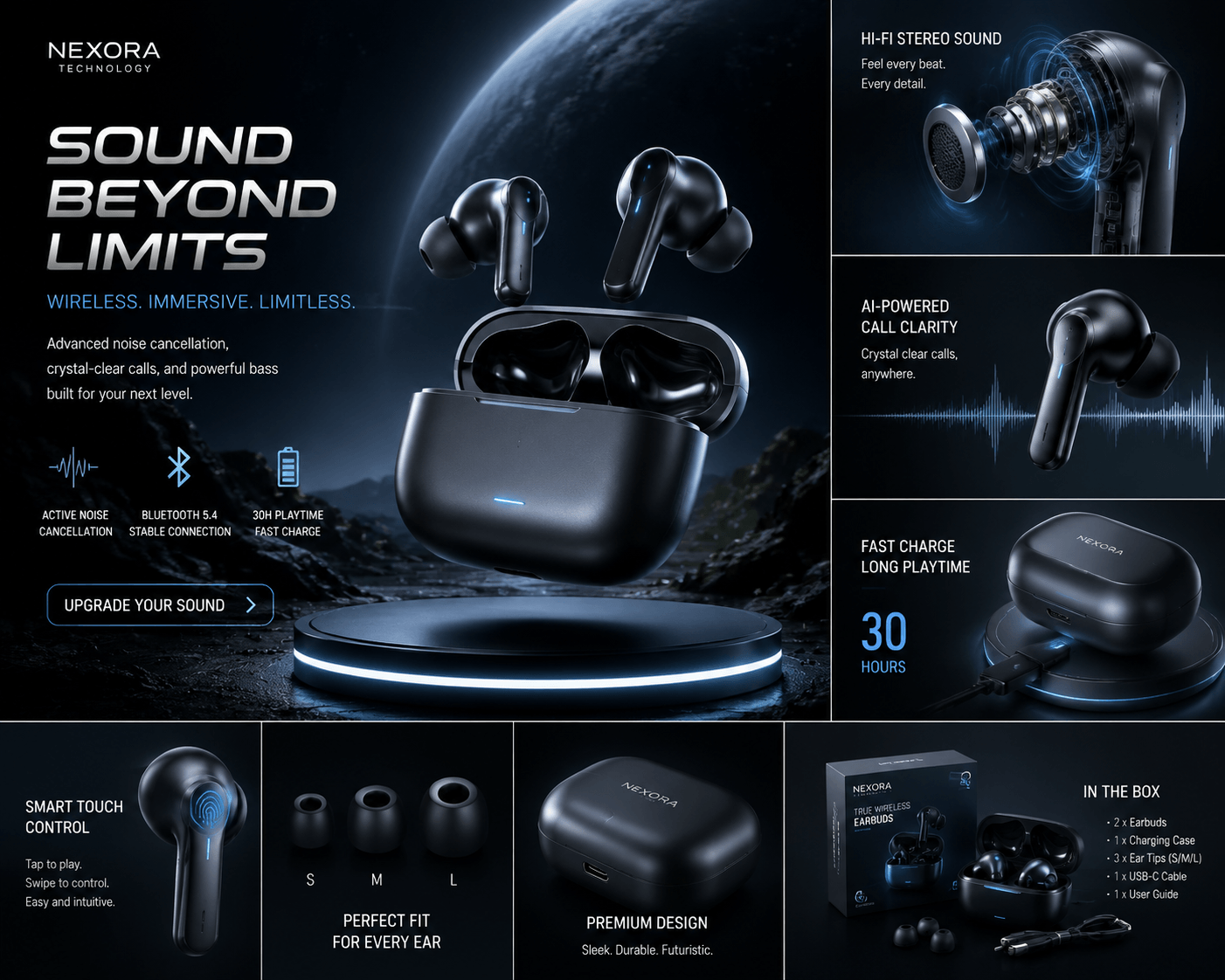
Futuristic Tech Vibe

Modern tech brands often use dark backgrounds, cinematic lighting, and sleek product-focused visuals to create a premium futuristic feel. This vibe is especially useful for electronics, gadgets, gaming accessories, and smart devices.

the example vibe marketing visual of a tech brand's futuristic vibe

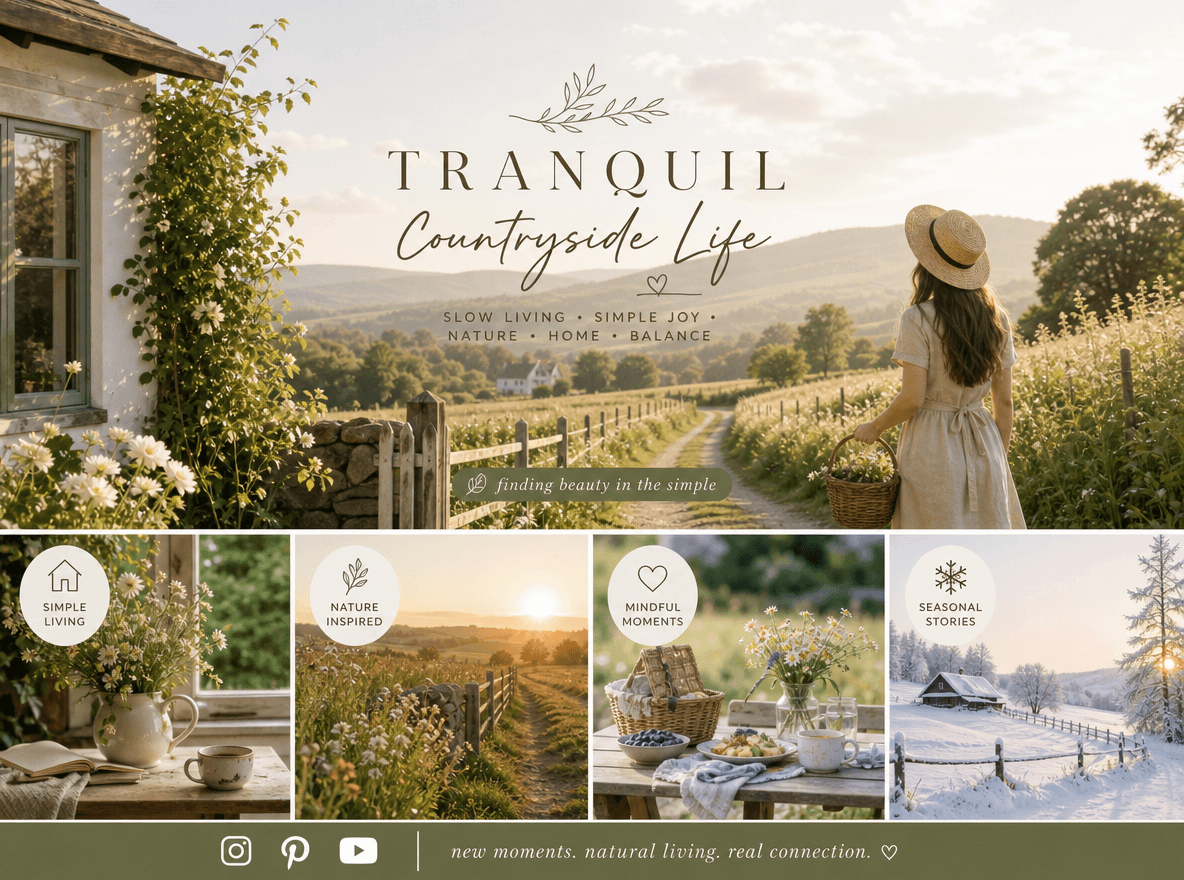
Tranquil Countryside Life

This vibe highlights slow living, peaceful rural scenery, and a deep connection with nature. This aesthetic is often used by personal lifestyle bloggers, wellness creators, and homestead-focused social media accounts aiming to communicate simplicity and balance.

the example vibe marketing visual of a resort's countryside vibe

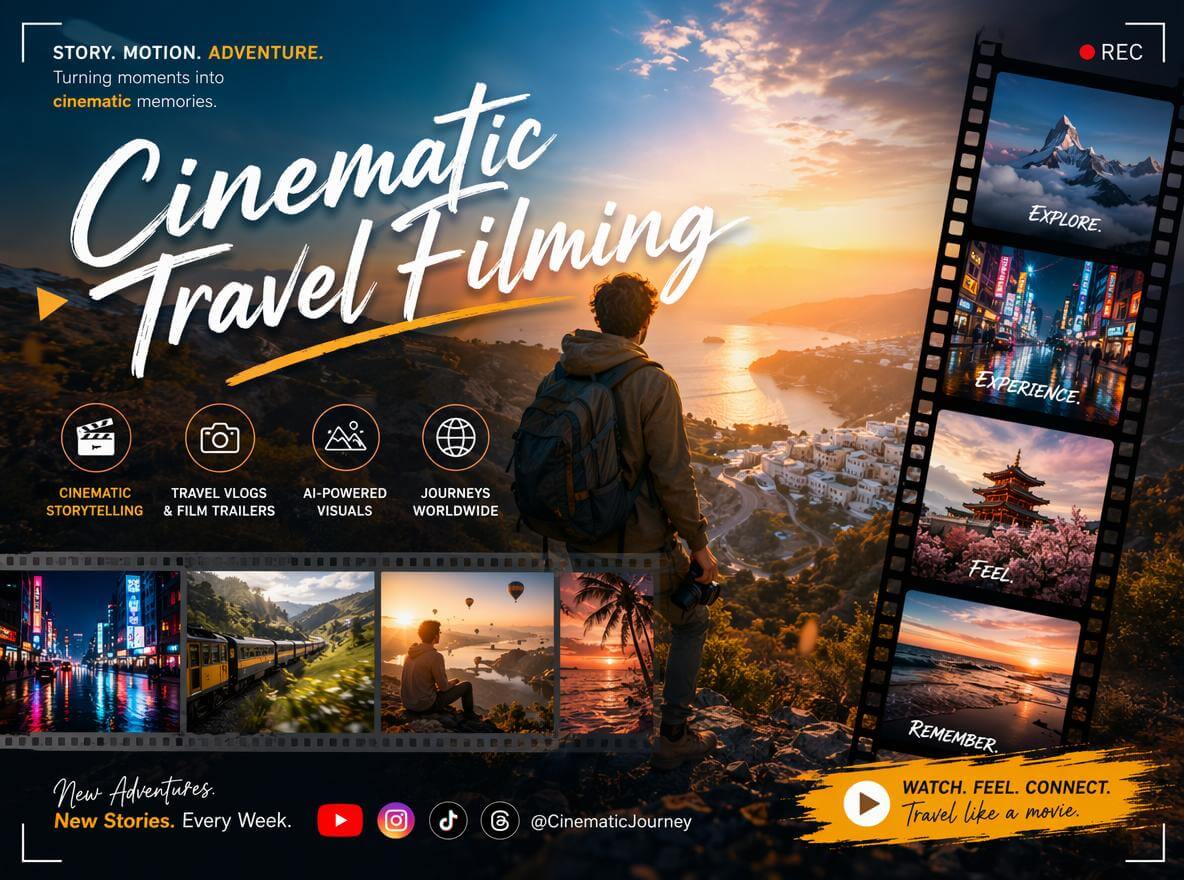
Cinematic Travel Filming

This vibe focuses on storytelling through motion and atmosphere, turning ordinary travel moments into film-like scenes. This style is ideal for travel influencers, digital nomads, and content creators who want their social media to feel like a visual diary or cinematic journey rather than simple documentation.

the example vibe marketing visual of an influencer's cinematic travel vibe

The AI Vibe Implementation Workflow

After talking about the knowledge of vibe marketing, I'll offer you a simple AI workflow that you can steal and use right away:

  • Gemini — Audience Research: Type in a brief description and Gemini will give you a comprehensive breakdown of your target audience as well as a recommended marketing strategy.
  • Fotor — Visual Assets & Mockups: Start with presets or use text prompts to generate product photos, model photos, posters, and product listings.
  • Claude — Pitch & Social Copy: Set the target audience, tone, and social media platforms, and ask Claude to write captions.
  • Buffer — Distribution: Link up your social accounts and drop the generated visual assets and copy, then this tool will auto-publish the content across platforms at the time you set.

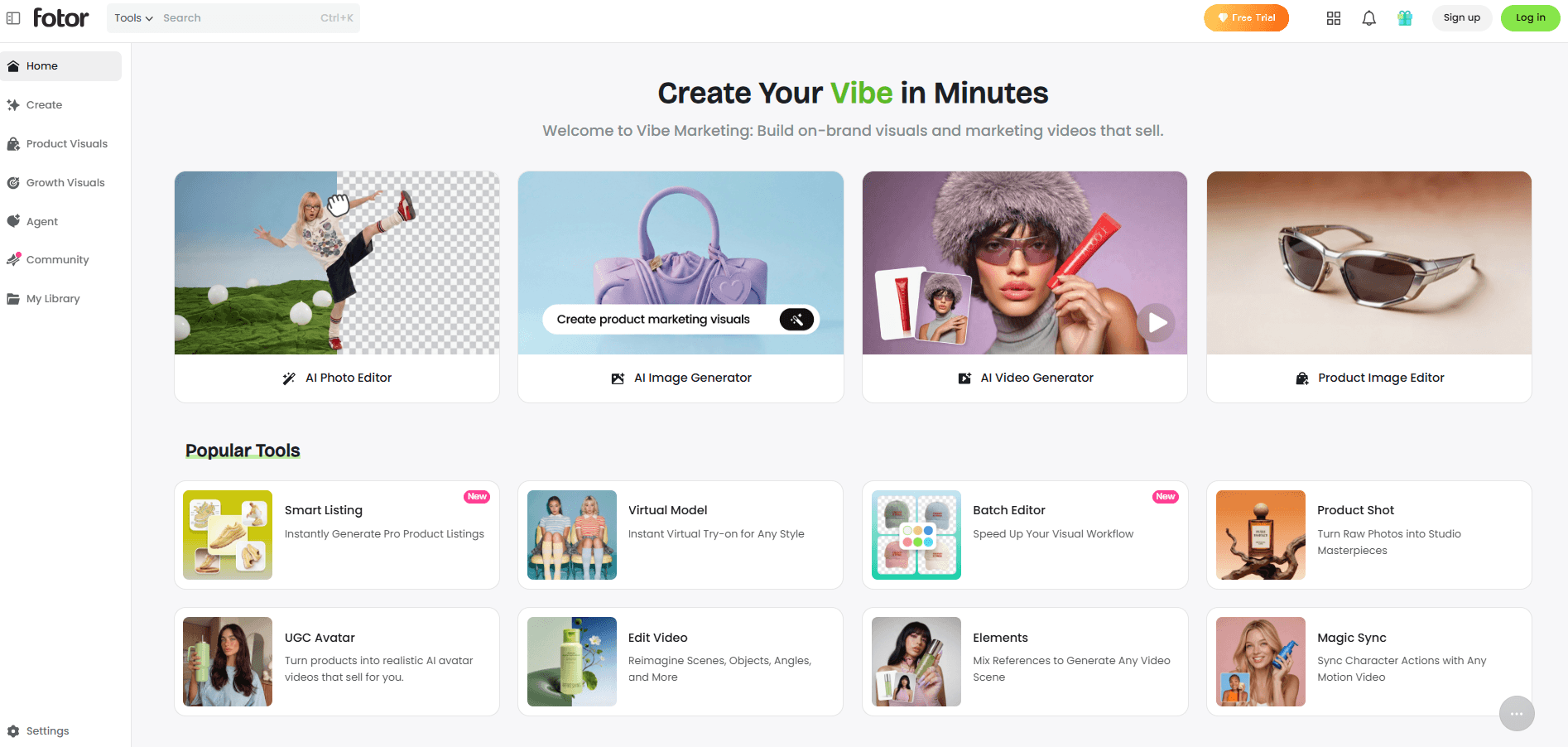
Create Vibe Marketing Visuals with Fotor AI

the screenshot of Fotor's vibe marketing platform home page

Translating a visual aesthetic into scalable, high-converting assets doesn't require expensive studios. An integrated suite like Fotor AI Vibe Marketing Platform automates this process through a simple 3-step AI workflow:

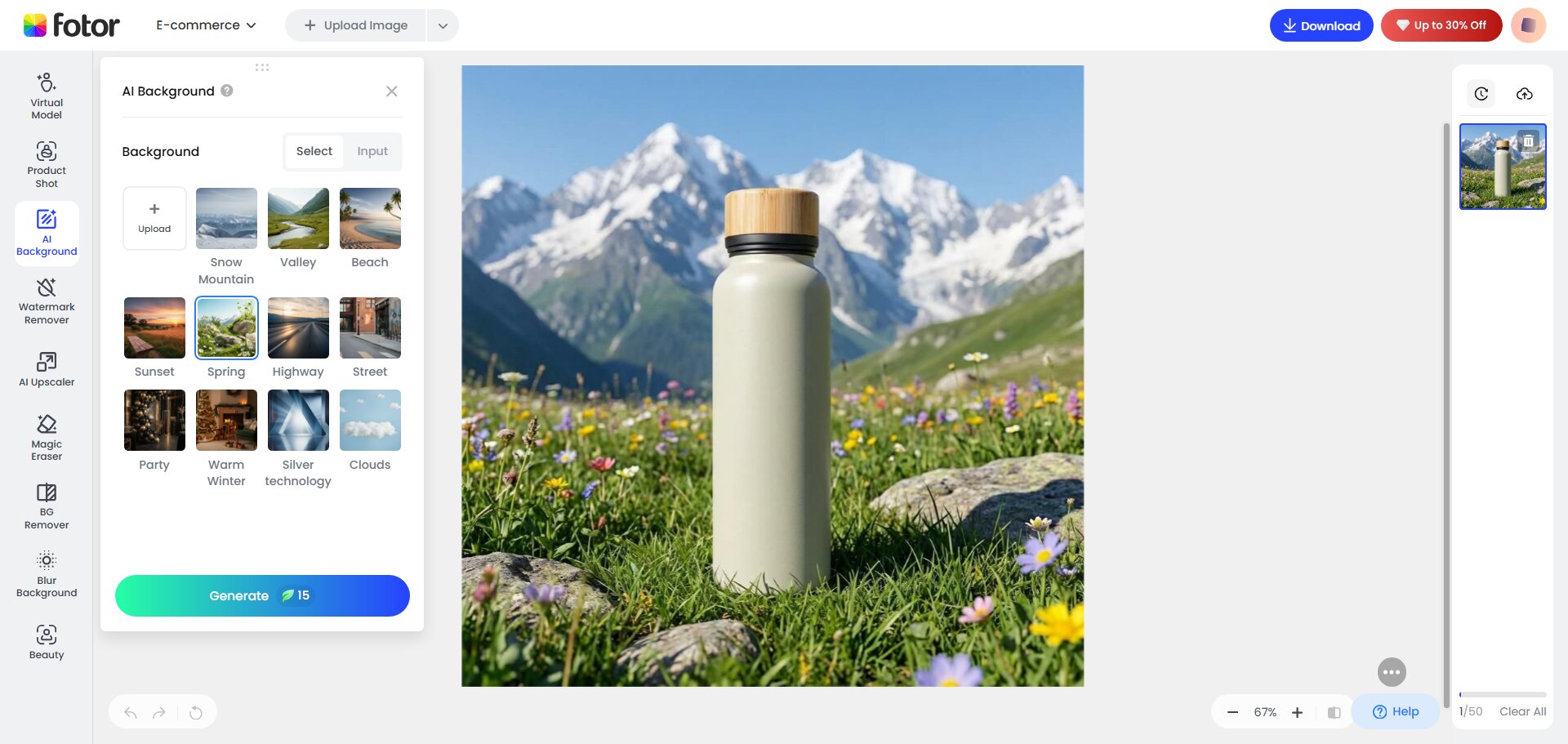
Step 1: AI Product Photo Editor (Scene & Lighting)

Upload a simple product snap. Fotor's AI removes clutter and seamlessly integrates your product into tailored lifestyle backdrops. It automatically adjusts shadows, reflections, and studio lighting to match your target vibe—whether it's Clean Natural marble or Futuristic Tech neon.

the user interface of fotor's ai product editor

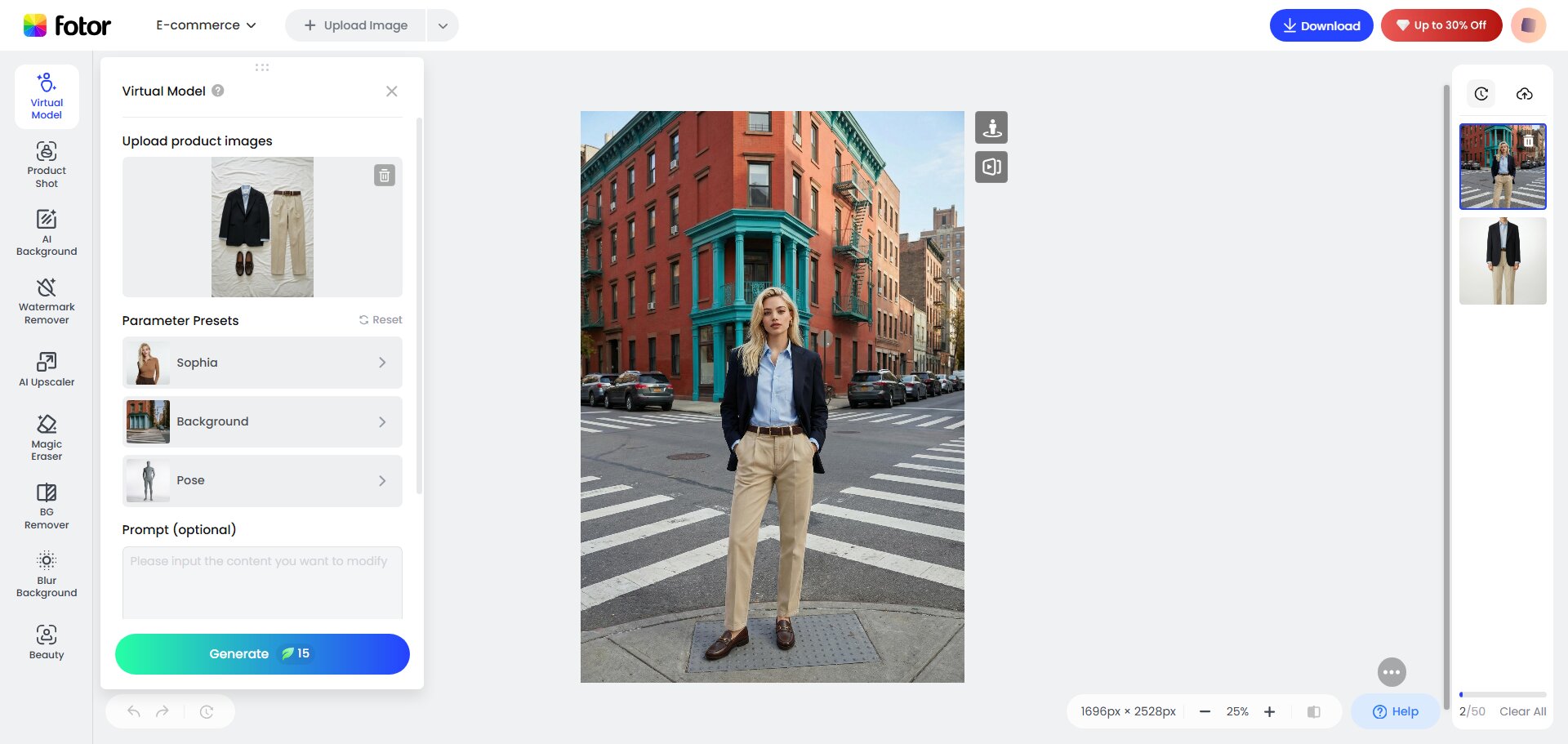
Step 2: AI Virtual Model Generator (Emotional Context)

Model try-ons drive higher engagement than static flat-lays. Fotor’s AI fashion model generator converts flat apparel and accessory photos into realistic on-model shots. Choose from diverse model presets and poses that directly reinforce your brand's aesthetic without physical photo shoots.

the user interface of Fotor's AI virtual model generator

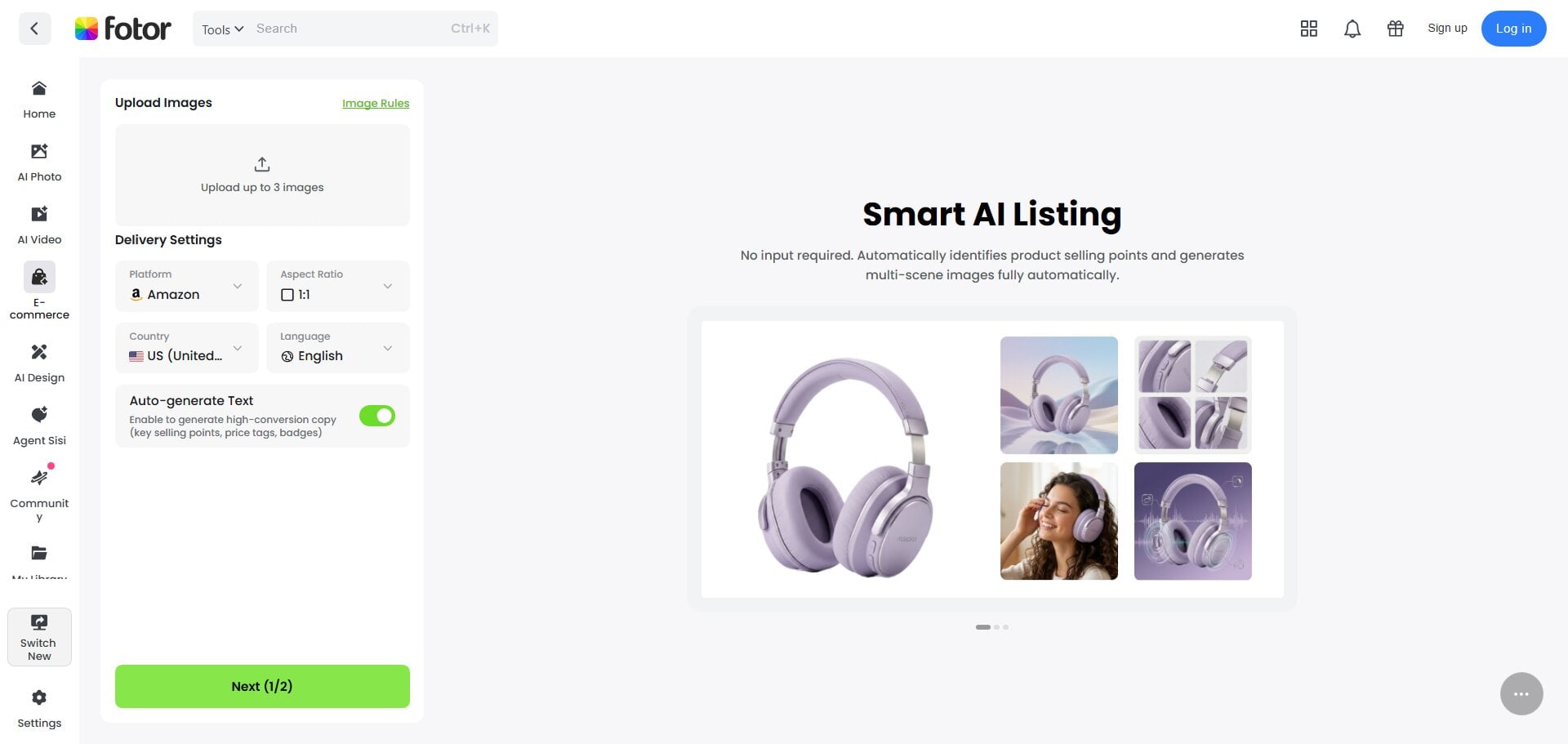
Step 3: Smart AI Listing Generator (Automated Asset Suite)

Generate a full multi-angle listing with Fotor's AI listing generator in minutes. The system produces hero shots, close-ups, and model views in one go, automatically maintaining consistent color palettes, background tones, and lighting across every image.

the user interface of Fotor's smart listing tool

Best Practices & AI Limitations

  • Preserve Product Truth: Ensure AI background generation does not alter physical garment colors or textures, which can cause customer returns.
  • Maintain Color Lock: Keep core brand HEX codes consistent across seasonal scenes to avoid visual clutter.
  • Human Curation: Use AI to accelerate production, but perform a final human review to guarantee aesthetic alignment.

Conclusion: The Future of Branding is a Feeling

Vibe marketing is no longer just a trend for high-end fashion houses; it is a fundamental survival strategy for every modern brand. In a world where attention is the scarcest resource, the ability to sell a "feeling" is your strongest competitive advantage.

The barrier to entry, like expensive studios and elite photography, has finally collapsed. With the evolution of AI tools, creating an immersive brand world is now limited only by your imagination, not your budget. You’ve mastered the strategy; now it’s time to let AI bring your brand's unique vibe to life.