



How AI Is Changing E-commerce
E-commerce is becoming more competitive, and businesses need efficient ways to create content, improve customer experiences, and optimize daily workflows.
However, producing high-quality product images, marketing materials, and customer-facing content can require significant time and resources. For small businesses and growing brands, managing these tasks across multiple channels can be challenging.
AI tools are changing how e-commerce businesses operate. From creating product visuals and writing marketing content to improving customer support and analyzing customer behavior, AI helps brands work more efficiently and make better decisions.
In this guide, we compare the best AI tools for e-commerce based on different business needs, helping you find the right solutions for your workflow.
Quick Takeaways: AI Tools for E-commerce by Business Need
Before exploring individual tools, use this quick overview to find the category that best matches your current e-commerce needs.
Business Need | Recommended Tools | Best For |
|---|---|---|
Marketing and store content | ChatGPT, Jasper, Shopify Magic | Product copy and marketing workflows |
Product visuals and creative content | Adobe Firefly, Photoroom, Fotor | Product images and campaign visuals |
Search and product recommendations | Bloomreach, Dynamic Yield | Product discovery and personalization |
Customer support | Gorgias, Intercom Fin, Tidio | Support automation and customer conversations |
Analytics and insights | Peel, Triple Whale | E-commerce performance and marketing data |
You do not need every tool listed here. Start with the category that addresses your biggest business challenge, then expand your AI workflow as your needs grow.
AI Tools for E-commerce by Business Need

Different e-commerce businesses need different types of AI support. Some need help producing store content and marketing campaigns, while others need better product discovery, customer service, or business insights.
The tools below are grouped by their primary e-commerce use cases rather than ranked from first to last, so you can focus on the solutions that match your workflow.
AI Tools for E-commerce Marketing and Store Content
Marketing and store content are central to the e-commerce workflow. AI writing and marketing tools can help businesses create product descriptions, promotional copy, email content, and campaign ideas more efficiently.
ChatGPT

ChatGPT helps e-commerce businesses generate written content, develop marketing ideas, and support a wide range of daily content tasks.
Best for: Product descriptions and marketing content creation
Key Features:
- Product description writing
- Marketing copy generation
- Campaign brainstorming
- Customer communication support
It is useful for businesses that need flexible AI assistance across multiple content workflows.
Jasper
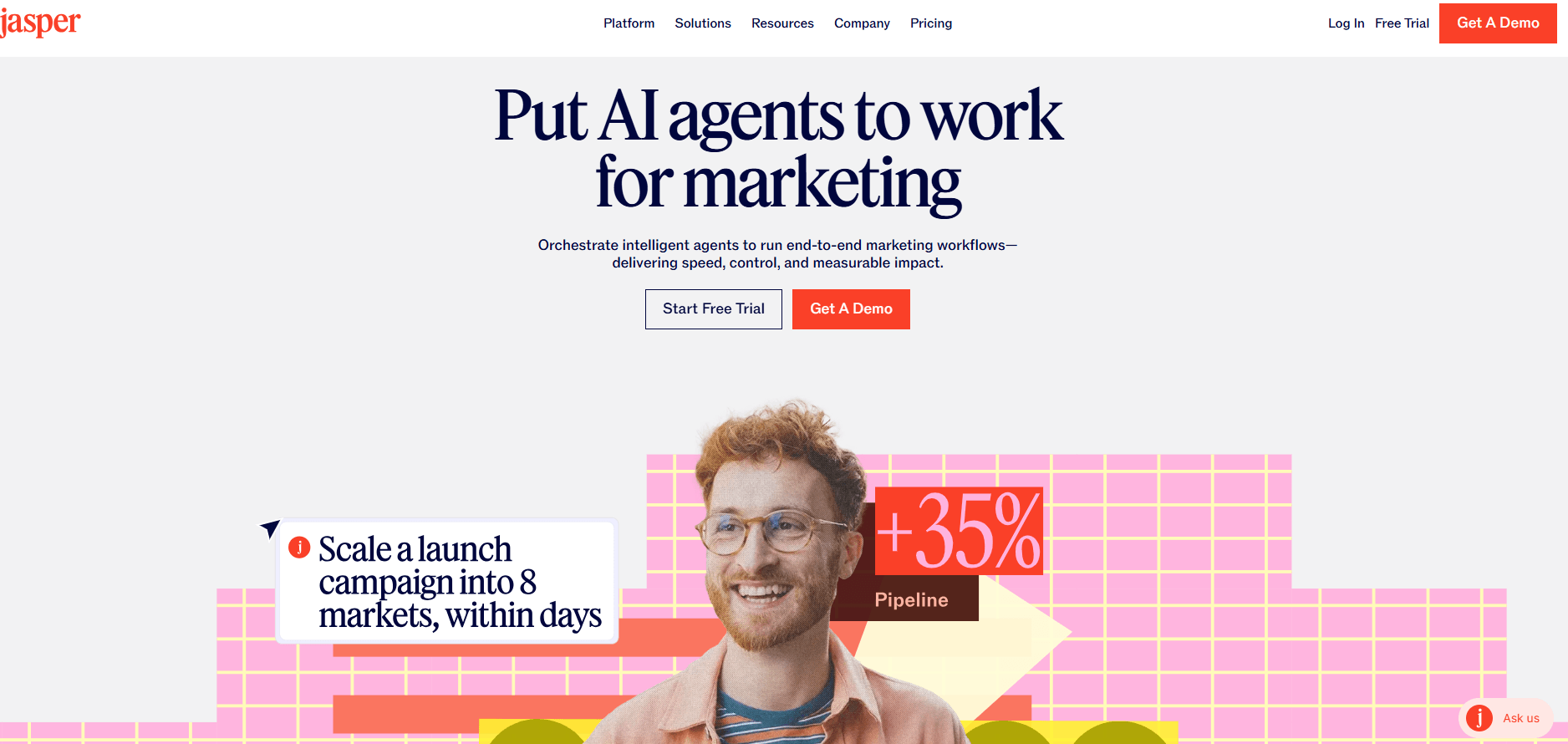
Jasper is an AI content platform designed for teams that need consistent marketing messages across different channels.
Best for: Brand-focused marketing content
Key Features:
- Marketing copy creation
- Brand voice customization
- Campaign content generation
- Content workflow management
It is well suited to teams managing larger content operations and maintaining consistent brand messaging.
Shopify Magic
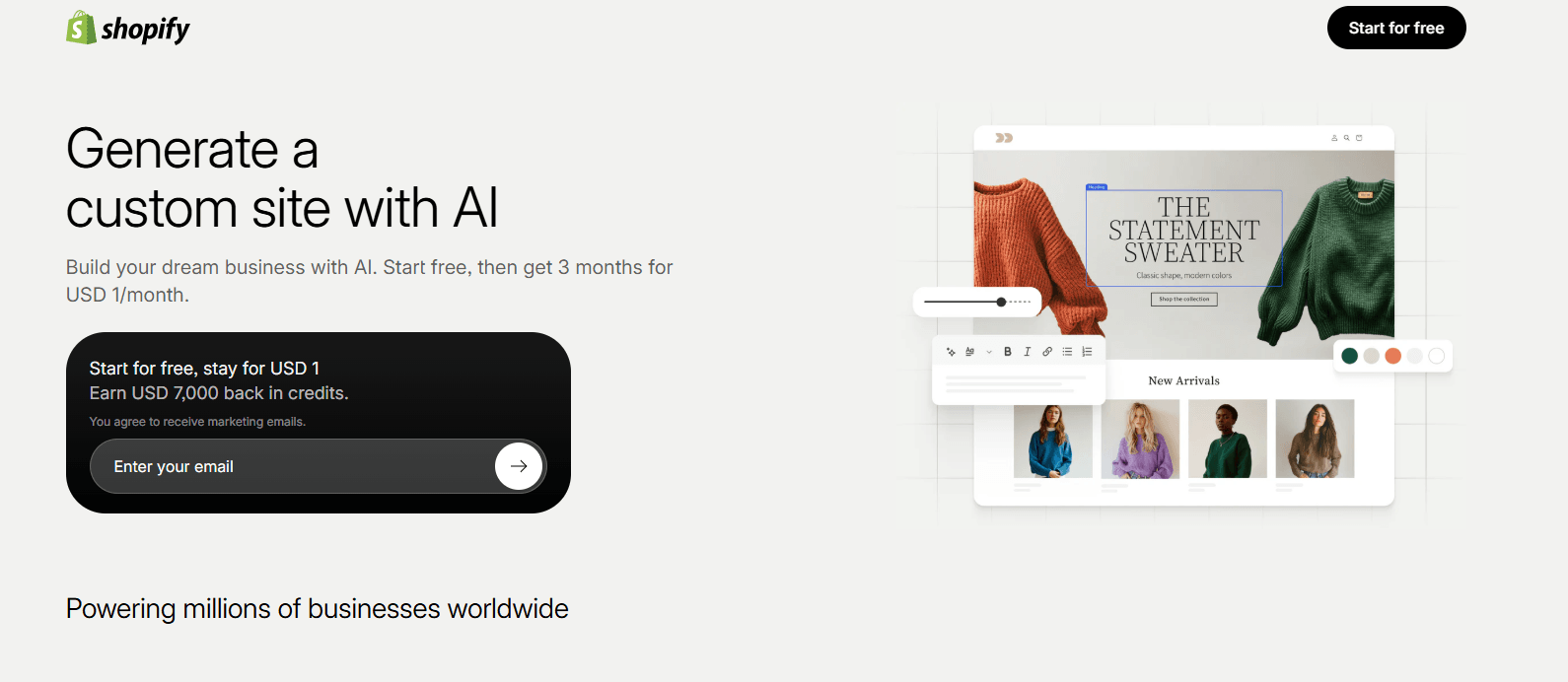
Shopify Magic provides AI-powered features within the Shopify ecosystem to help merchants create store content and support daily workflows.
Best for: Shopify store content creation
Key Features:
- Product description generation
- Store content assistance
- Marketing copy support
- Shopify workflow integration
It is a convenient option for Shopify merchants who want AI support directly inside their existing store environment.
AI Tools for E-commerce Product Images and Creative Content
Product visuals are an important part of the e-commerce workflow because customers often rely on images to understand products before purchasing. AI-powered creative tools can help brands create, edit, and adapt product visuals for different campaigns and channels.
Adobe Firefly
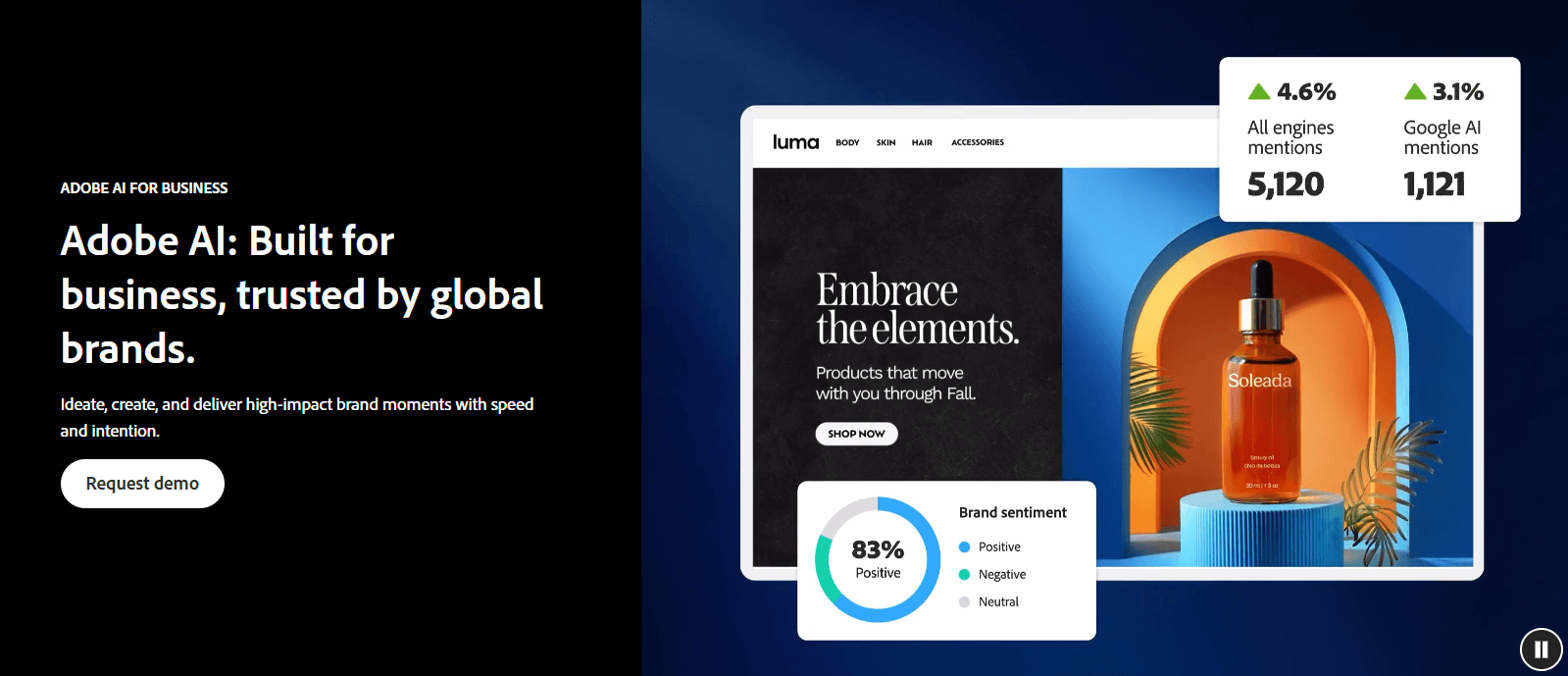
Adobe Firefly helps e-commerce teams generate and customize visual content using AI-powered image creation and editing features.
Best for: Creative image generation and advanced editing
Key Features:
- AI image generation
- Creative image editing
- Visual style exploration
- Commercial-ready content creation
It works well for brands already using Adobe’s creative ecosystem and looking for more advanced control over visual production.
Photoroom
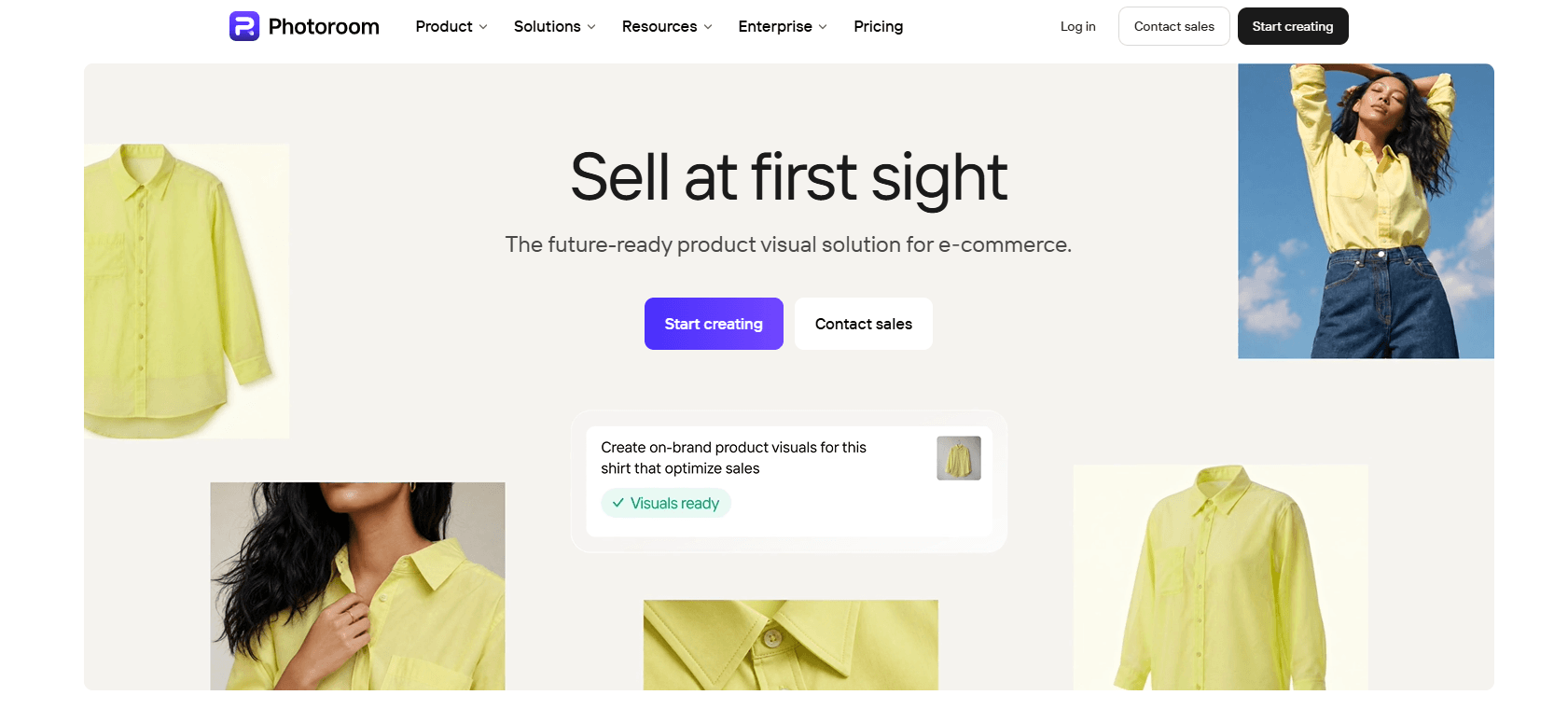
Photoroom focuses on simplifying product photo editing for e-commerce sellers, helping businesses prepare cleaner images for online stores and marketplaces.
Best for: Product photo editing and background removal
Key Features:
- Background removal
- Product photo enhancement
- Marketplace-ready image creation
- Batch image processing
It is especially useful for sellers who need faster product image preparation without professional editing experience.
Fotor
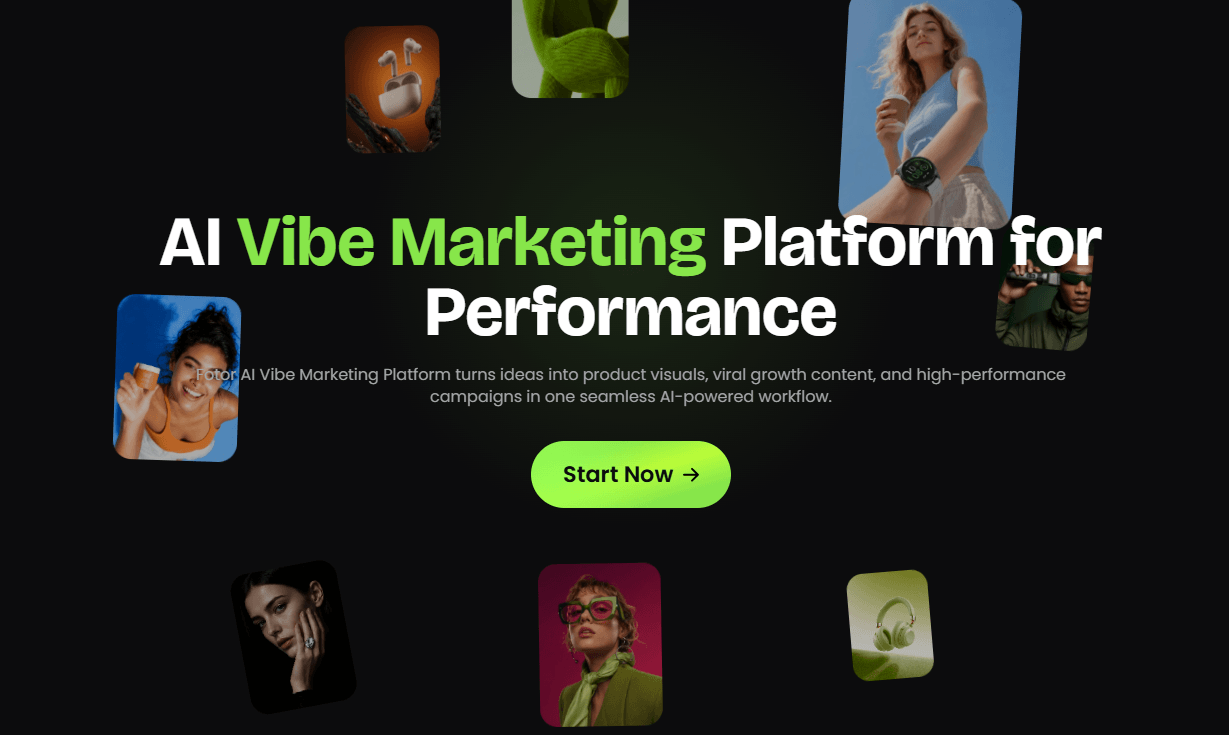
Fotor helps e-commerce businesses create professional product images, campaign visuals, and short marketing videos with AI-powered tools.
Best for: AI-powered product visuals and e-commerce marketing content
Key Features:
- Create product visuals from existing product photos
- Remove backgrounds and generate new product scenes
- Resize images for different e-commerce platforms
- Turn product images into engaging marketing videos
It is a practical choice for brands that need to produce more visual content quickly while reducing the need for complex design workflows.
Fotor also offers an AI vibe marketing platform for performance that connects visual creation with e-commerce marketing workflows.
AI Tools for E-commerce Search and Product Recommendations
As e-commerce businesses grow, helping customers discover relevant products becomes increasingly important. AI search and recommendation tools help brands improve product discovery and create more personalized shopping experiences.
Bloomreach

Bloomreach helps e-commerce brands improve search, recommendations, and customer experiences through AI-powered personalization.
Best for: Personalized e-commerce experiences
Key Features:
- Product recommendations
- E-commerce search optimization
- Personalized shopping experiences
- Customer data insights
It is designed for brands that want to create more relevant shopping journeys at scale.
Dynamic Yield

Dynamic Yield helps businesses optimize digital experiences based on customer behavior and preferences.
Best for: Customer personalization and recommendations
Key Features:
- Personalized recommendations
- Customer segmentation
- Experience optimization
- Behavioral insights
It is a suitable choice for larger e-commerce brands that need advanced personalization capabilities.
AI Tools for E-commerce Customer Support
AI customer support tools help e-commerce businesses manage customer questions, automate repetitive conversations, and improve response efficiency.
Gorgias

Gorgias is an AI-powered customer service platform designed specifically for e-commerce businesses.
Best for: E-commerce customer support automation
Key Features:
- AI-assisted customer responses
- Support ticket management
- E-commerce platform integrations
- Automated workflows
It is suitable for stores that need a dedicated customer support system connected to their e-commerce operations.
Intercom Fin

Intercom Fin helps businesses automate customer conversations by using AI to answer questions and support customer service workflows.
Best for: AI customer support agents
Key Features:
- AI-powered responses
- Knowledge-based support automation
- Conversation management
- Human support handoff
It is a strong option for brands looking to improve support efficiency while keeping human assistance available when needed.
Tidio
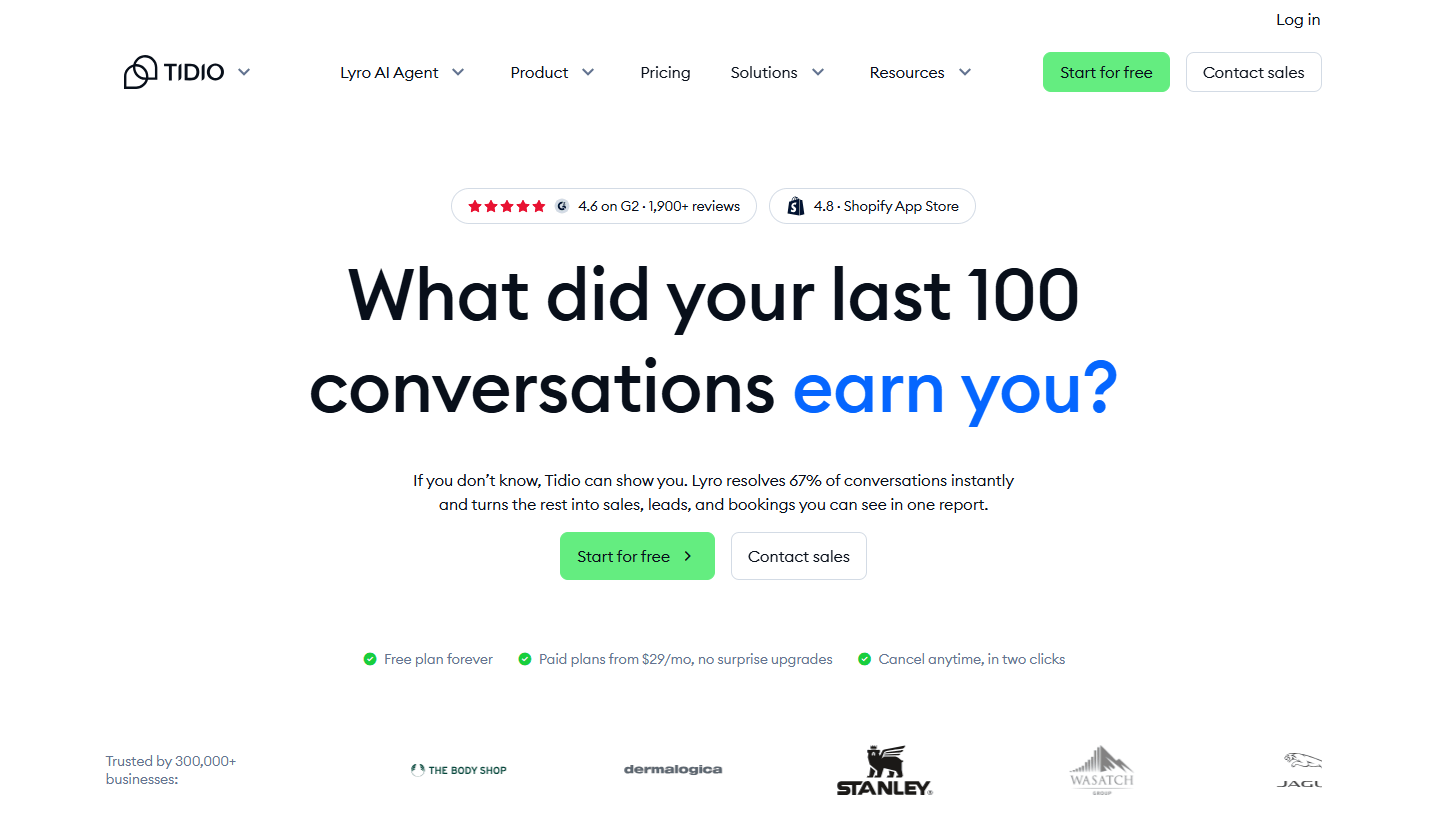
Tidio combines live chat and AI automation to help smaller businesses communicate with customers more efficiently.
Best for: Small e-commerce stores needing AI chat support
Key Features:
- AI chat assistance
- Automated customer conversations
- Live chat support
- E-commerce integrations
It is a good starting option for small stores that want to introduce AI-powered customer support.
AI Tools for E-commerce Analytics and Insights
AI analytics tools help e-commerce businesses understand customer behavior, track performance, and make better decisions using data.
Peel
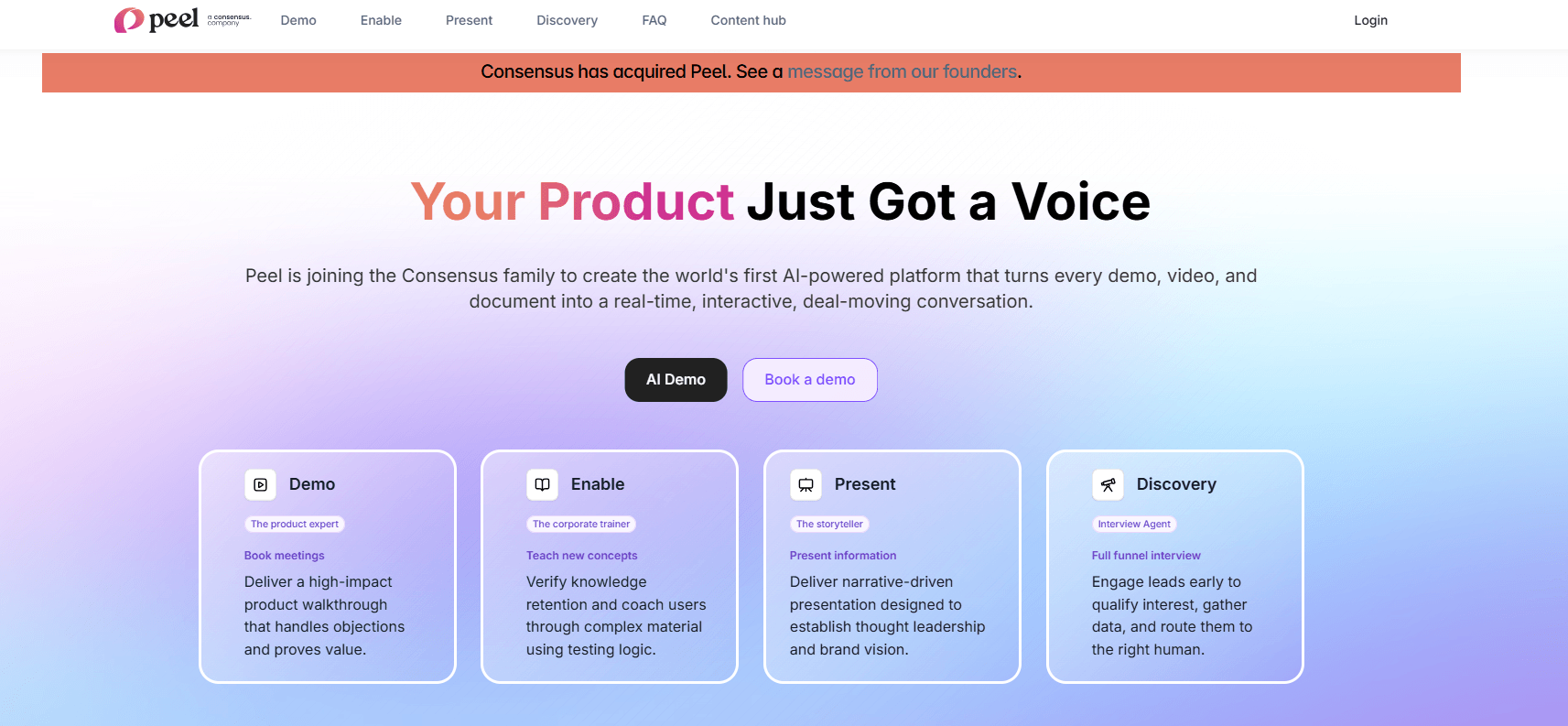
Peel helps brands analyze customer behavior and business performance through automated e-commerce reporting.
Best for: E-commerce analytics and customer insights
Key Features:
- Customer analytics
- Revenue insights
- Automated reporting
- Performance tracking
It is useful for businesses that want clearer visibility into customer trends and growth opportunities.
Triple Whale
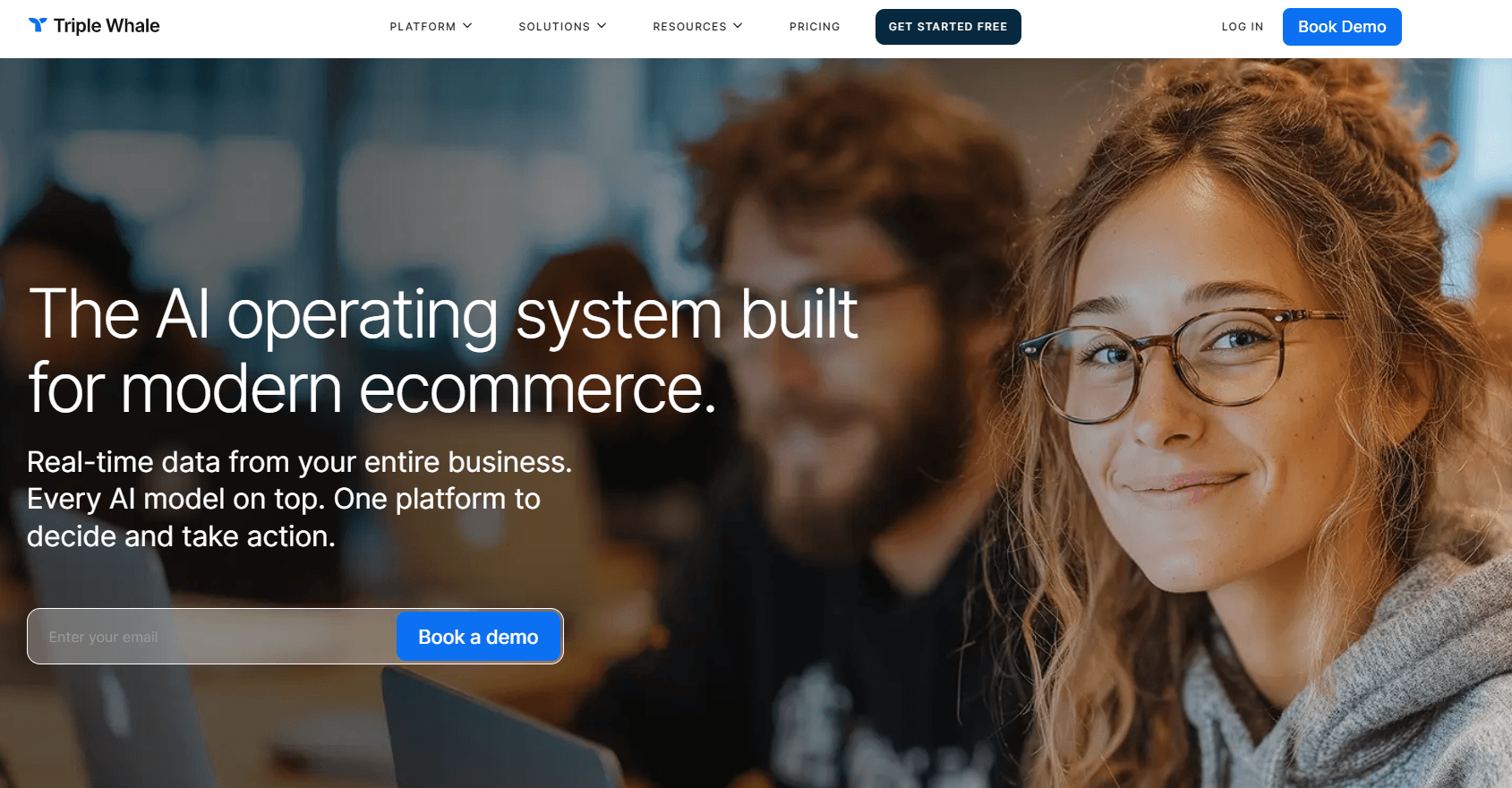
Triple Whale helps e-commerce brands understand marketing performance and revenue impact across different channels.
Best for: Marketing attribution and e-commerce data analysis
Key Features:
- Marketing attribution
- Analytics dashboards
- Revenue tracking
- Customer data analysis
It is a good fit for brands that want a centralized view of their e-commerce performance.
How to Choose the Right AI Tools for E-commerce
Before investing in AI tools, consider your business goals, current workflow, and available resources. The right choice depends on what you need to improve and how the tool fits into your existing e-commerce operation.
1. Identify Your Biggest Challenge
Start with the task you most want to improve. For example, use ChatGPT or Jasper for marketing content, Fotor or Photoroom for product visuals, Gorgias or Tidio for customer support, and Peel or Triple Whale for analytics.
2. Choose Tools Based on Your Workflow
Look for tools that match how your business already works. Shopify merchants may prefer Shopify Magic for store content, while brands focused on visual campaigns may benefit from Fotor or Adobe Firefly.
3. Check Platform Compatibility
Make sure the tool works with the e-commerce platforms and systems you already use. This is especially important for tools that connect with your store, customer support, marketing, or analytics workflows.
4. Measure Results
Track improvements that matter to your business, such as time saved, content output, customer response speed, conversion performance, or reporting efficiency. This helps you determine whether the tool is worth keeping.
5. Expand Gradually
You do not need to adopt every tool at once. Start with the workflow that needs the most improvement, then add other tools as your business grows. For example, you might start with Fotor for product visuals and expand into content, support, or analytics tools as needed.
Frequently Asked Questions About AI Tools for E-commerce
Which AI is best for e-commerce?
There is no single best AI tool for every e-commerce business. The right choice depends on your specific needs, such as product visuals, customer support, marketing, personalization, or analytics.
What are the best AI tools for small e-commerce businesses?
Small e-commerce businesses usually benefit most from easy-to-use tools that improve daily workflows. A combination of creative, content, and store management tools can help businesses create content faster and operate more efficiently.
How is AI used in e-commerce?
AI is used in e-commerce for many tasks, including:
- Creating product images and marketing content
- Automating customer support
- Personalizing product recommendations
- Analyzing customer behavior
- Improving marketing workflows
Do e-commerce stores need AI chatbots?
AI chatbots can help e-commerce stores handle common customer questions and improve response efficiency. However, businesses with complex customer needs may still require human support for more detailed conversations.
Can AI create e-commerce product images?
Yes. AI tools can help businesses create, edit, and optimize product images for online stores and marketing campaigns. Visual AI platforms such as Fotor can help transform product photos into different styles and promotional visuals.
Which AI tools work best with Shopify?
The best Shopify-compatible AI tools depend on the business need. Shopify-native tools can help with store content, while third-party solutions can support areas such as customer service, marketing, analytics, and visual creation.
Conclusion
AI tools are becoming an essential part of modern e-commerce workflows, helping businesses create better visuals, automate repetitive tasks, improve marketing efficiency, and make data-driven decisions.
The right AI tools depend on your business needs and growth stage. Start with the workflows that matter most to your business, then build your AI stack gradually as your needs evolve.